

13 March 2026
Report: COI-NEXT Annual Symposium 2026

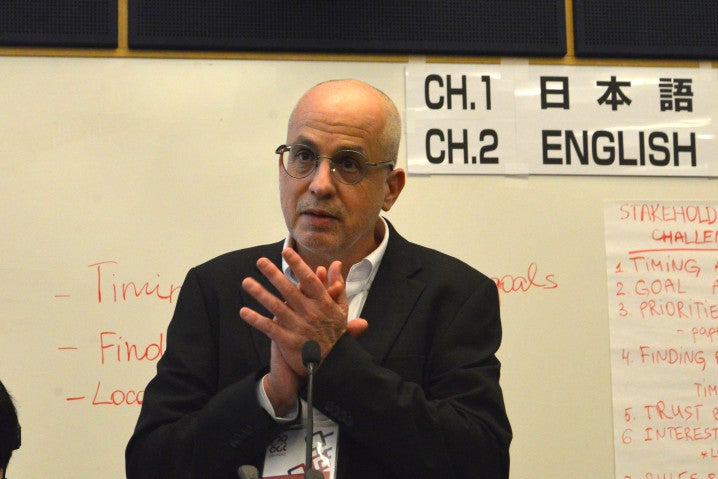
On March 9, 2026, OIST COI-NEXT Center hosted the COI-NEXT Annual Symposium 2026, titled Sustaining Innovation Beyond the Lab. The event brought together researchers, industry representatives, and community stakeholders to explore how scientific research can be translated into meaningful and lasting societal impact.
In the opening remarks, Hiroaki Kitano, Professor and Project Leader of COI-NEXT Program at OIST, introduced COI-NEXT as an innovation ecosystem that goes beyond traditional academic structures. Rather than operating as a fixed program, it serves as a “cradle for ideas,” where projects continuously emerge, evolve, and transition outward as they mature. He highlighted the importance of bringing together diverse disciplines and stakeholders to address complex challenges, while emphasizing the role of collaboration, co-creation, and strong program management in connecting fundamental research with real-world implementation.
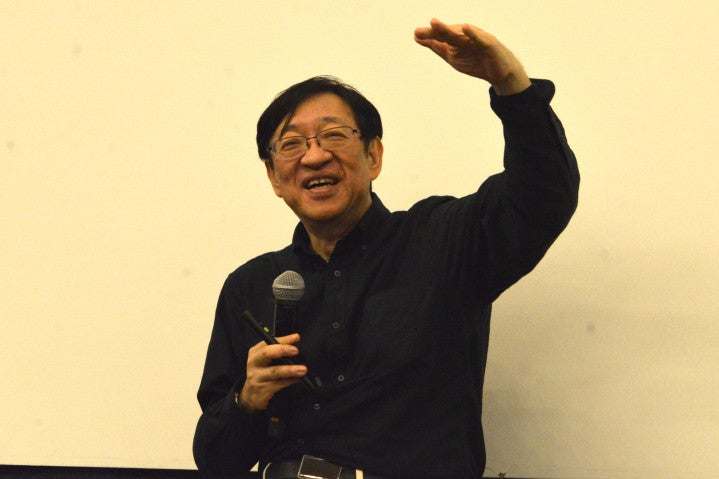
The keynote address by Yuji Sakuno, Professor and Project Leader of COI-NEXT Program at Hiroshima University, introduced efforts to establish a marine remote sensing and digital twin hub. The presentation demonstrated how continuous dialogue and co-design with industry and local communities are essential for aligning scientific capabilities with practical needs.
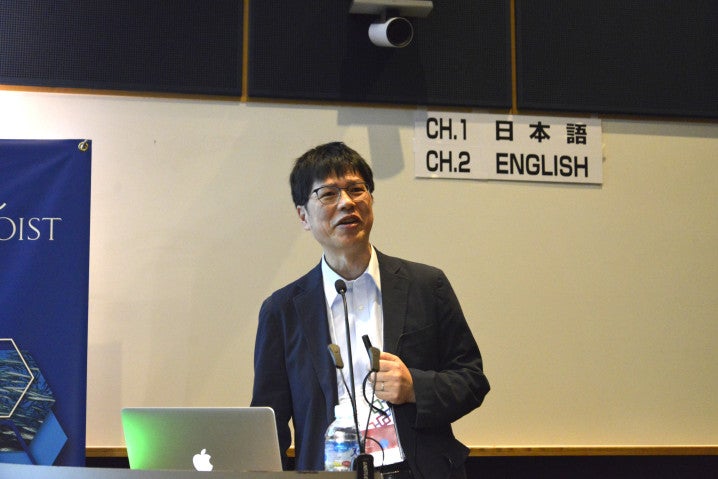
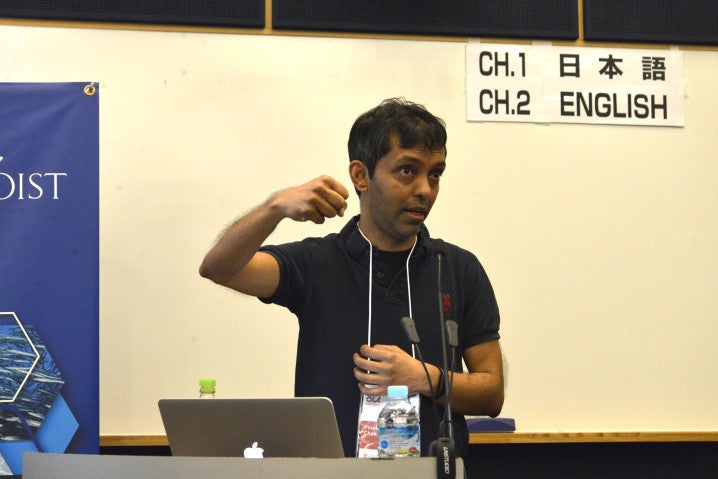
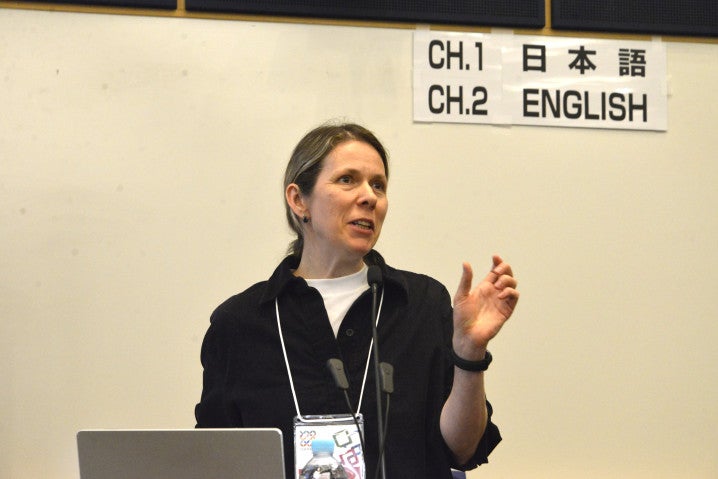
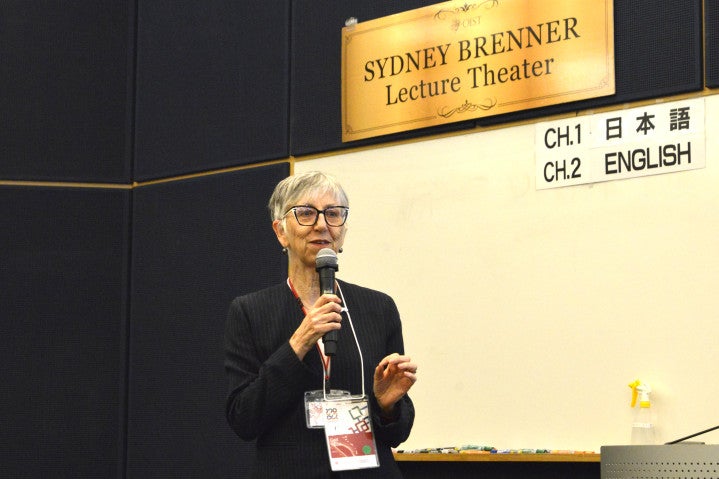
Subsequent talks showcased diverse approaches to addressing societal challenges. Researchers from COI-NEXT presented work on marine ecosystem monitoring by combining eDNA sequencing with imaging, stakeholder engagement with Okinawan fishing communities, and strategies for translating scientific knowledge into effective policy. TLALOC BLUE, a startup participating in the OIST Innovation Accelerator program, which is supported in part by the COI-NEXT Center, also highlighted biowaste innovation and circular economy approaches, emphasizing the importance of understanding cultural values and social contexts alongside technological development.
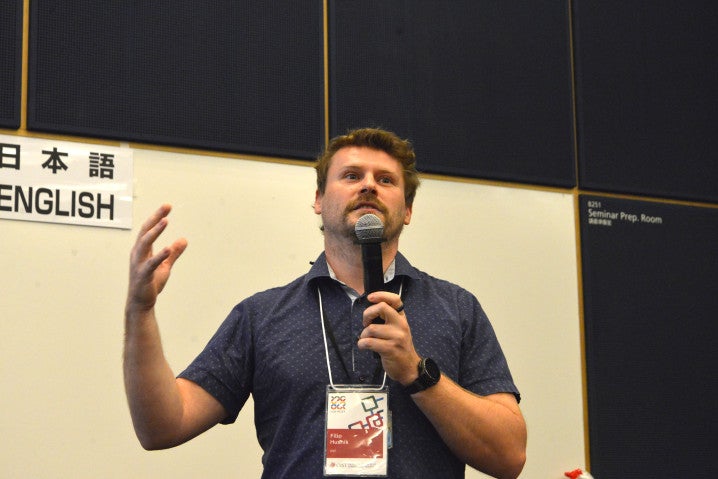
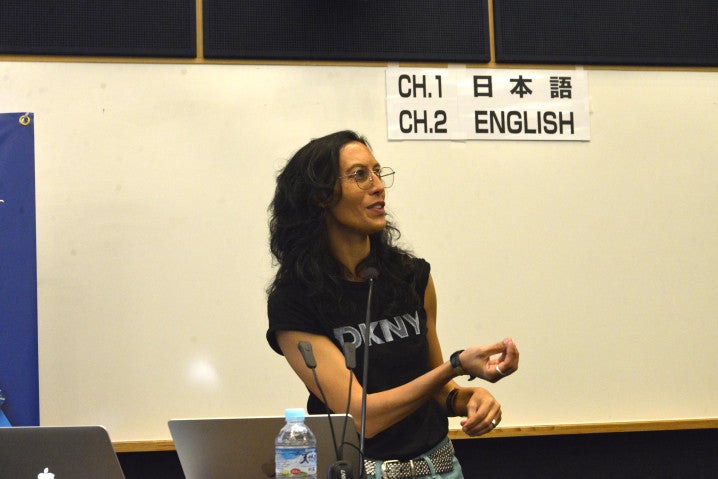
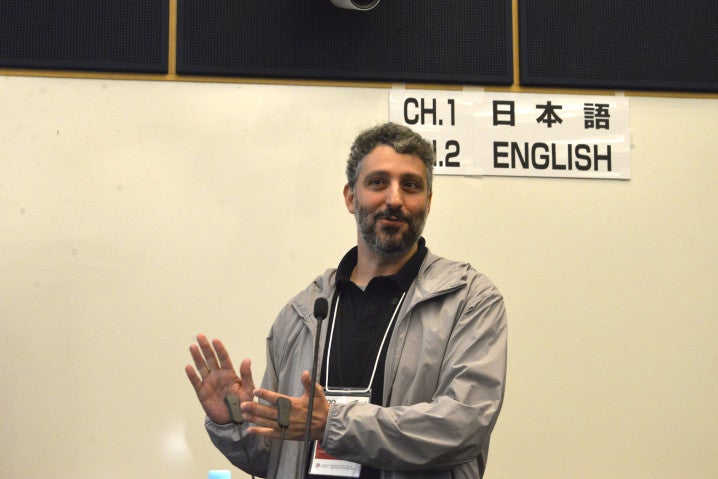
The symposium further explored topics such as climate change and typhoon risk, science-policy integration as well as participatory research approaches that engage families and communities in the design and implementation of solutions.
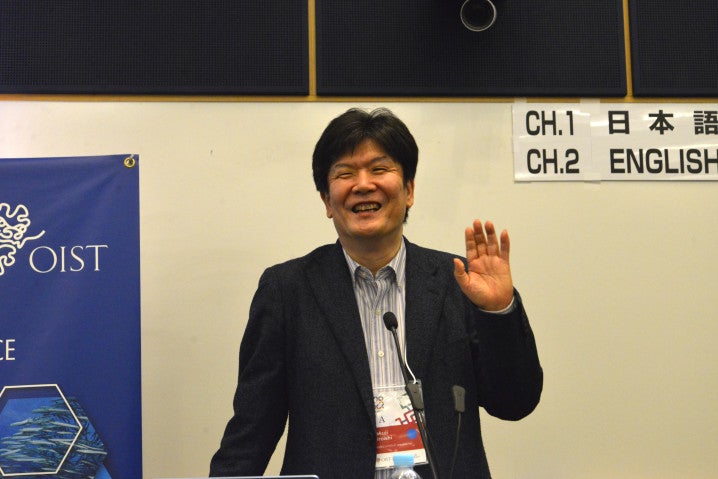
In his keynote address, Takuji Hiroishi, CEO of empublic Ltd., presented alternative models for sustaining high-impact social initiatives. Many socially important projects cannot rely solely on traditional market-based business models. He highlighted that high social-value initiatives can achieve sustainability not only through commercialization, but also by generating value, fostering participation, and making existing approaches more cost-effective. By connecting people, resources, and opportunities, such initiatives can create long-term impact beyond initial funding.
In the closing remarks, Gil Granot Mayer, Executive Vice President for Innovation and Outreach, Vice CEO at OIST, emphasized that achieving lasting societal impact requires more than scientific excellence. Long-term success depends on building trusted relationships among researchers, communities, governments, and industry partners, while creating the structures needed to support implementation and adoption.
Throughout the day, four key takeaways emerged:
- Bridging research and societal needs is essential for impact.
- Collaboration and co-creation drive innovation and relevance.
- Technology alone is not enough; social, cultural, and economic factors matter.
- Sustainable impact depends on strong partnerships, management, and support structures.
The symposium reaffirmed COI-NEXT’s commitment to advancing research that connects scientific discovery with meaningful societal impact through collaboration, innovation, and shared ownership.