
Problem
To date, there is no effective treatment for nerve and spinal cord damage. A promising new approach involves introducing artificial scaffolds combined with stem cell has shown promising results. However, this approach has technical limitations related to the customization of the scaffolding matrix and availability of suitable biomaterial for the development of 3D-biological implants and tissue grafts. The modern 3D-lithography offers control over scaffold architecture, but it is slow, size-limiting and introduces non-biodegradable materials.
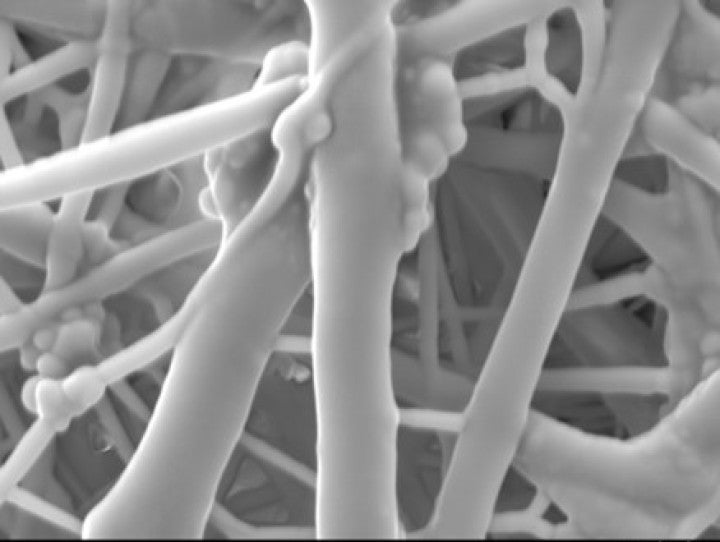
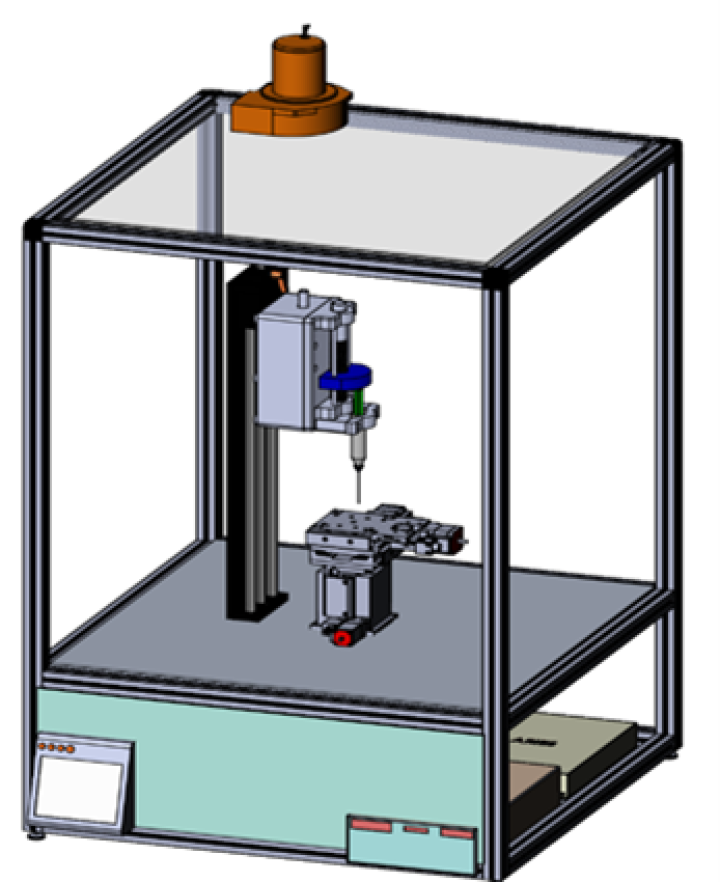
While electrospinning is a much faster and lower-cost manufacturing alternative: a personalized scaffold can be produced within hours as opposed to days using conventional lithographic techniques, which has a huge impact on the patient’s prognosis. However, scaffolds fabricated by conventional electrospinning tend to be mostly 2-dimensional, doesn’t allow any customization of scaffolding parameters (such as geometry, thickness, fibers alignment) and not sufficiently conductive to be suitable for neural tissue applications.