



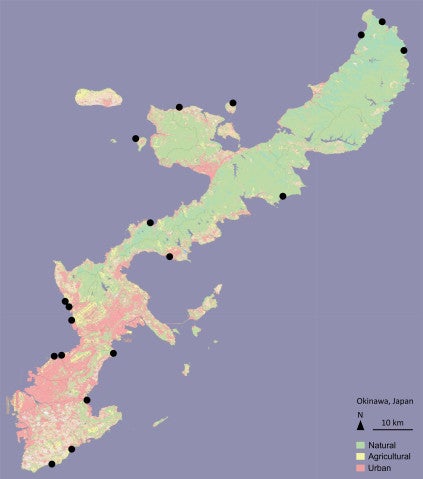
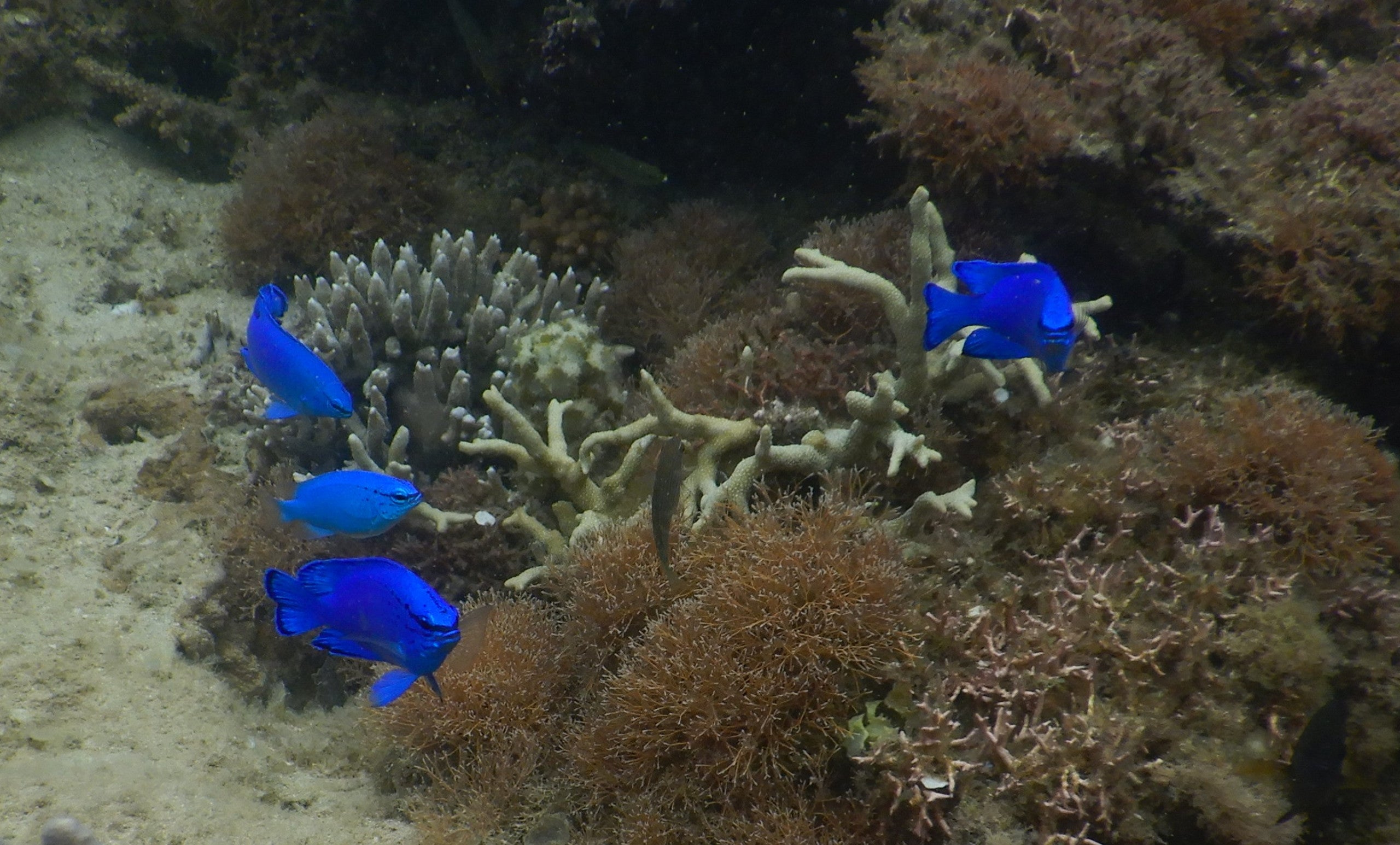
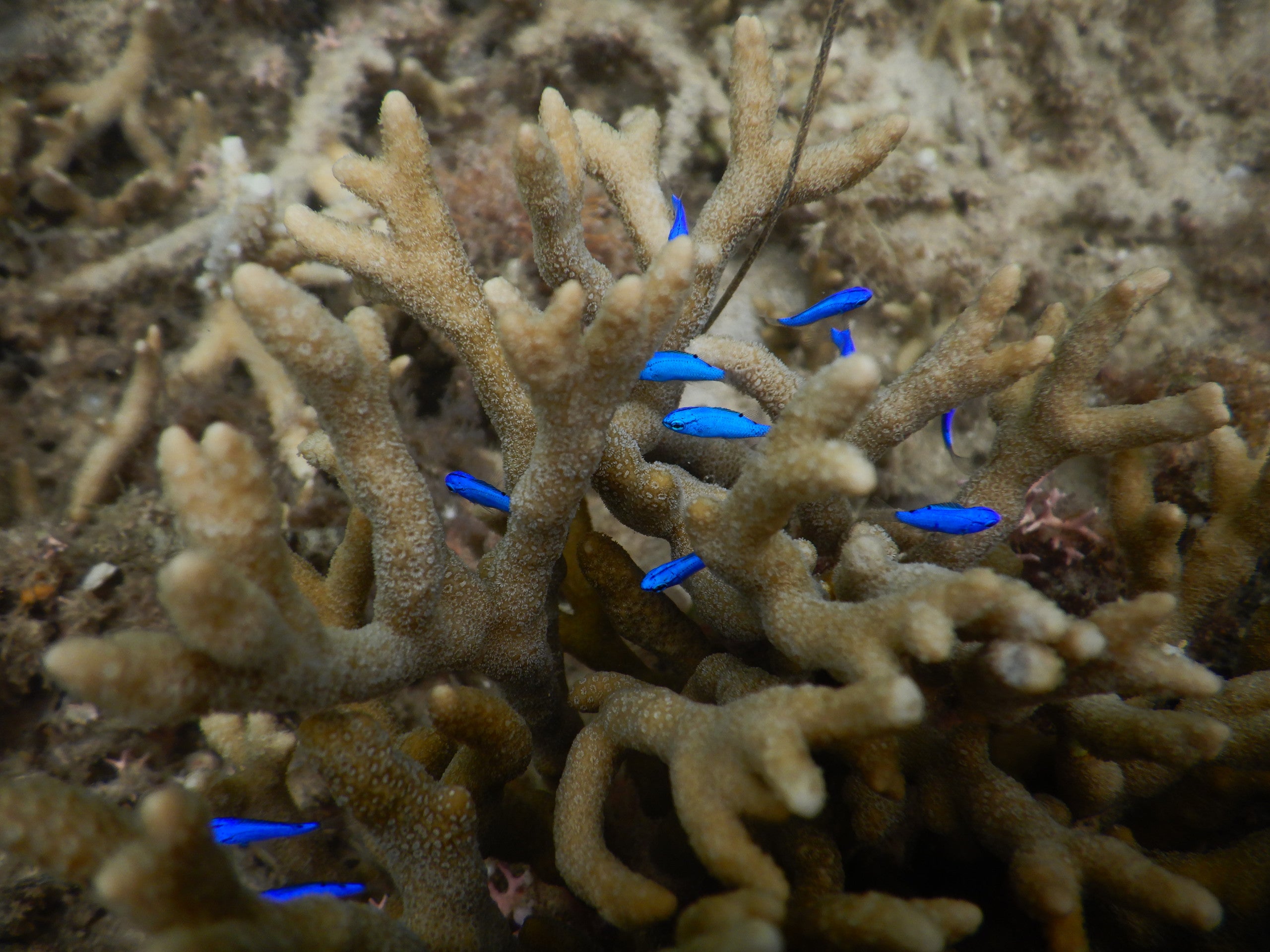
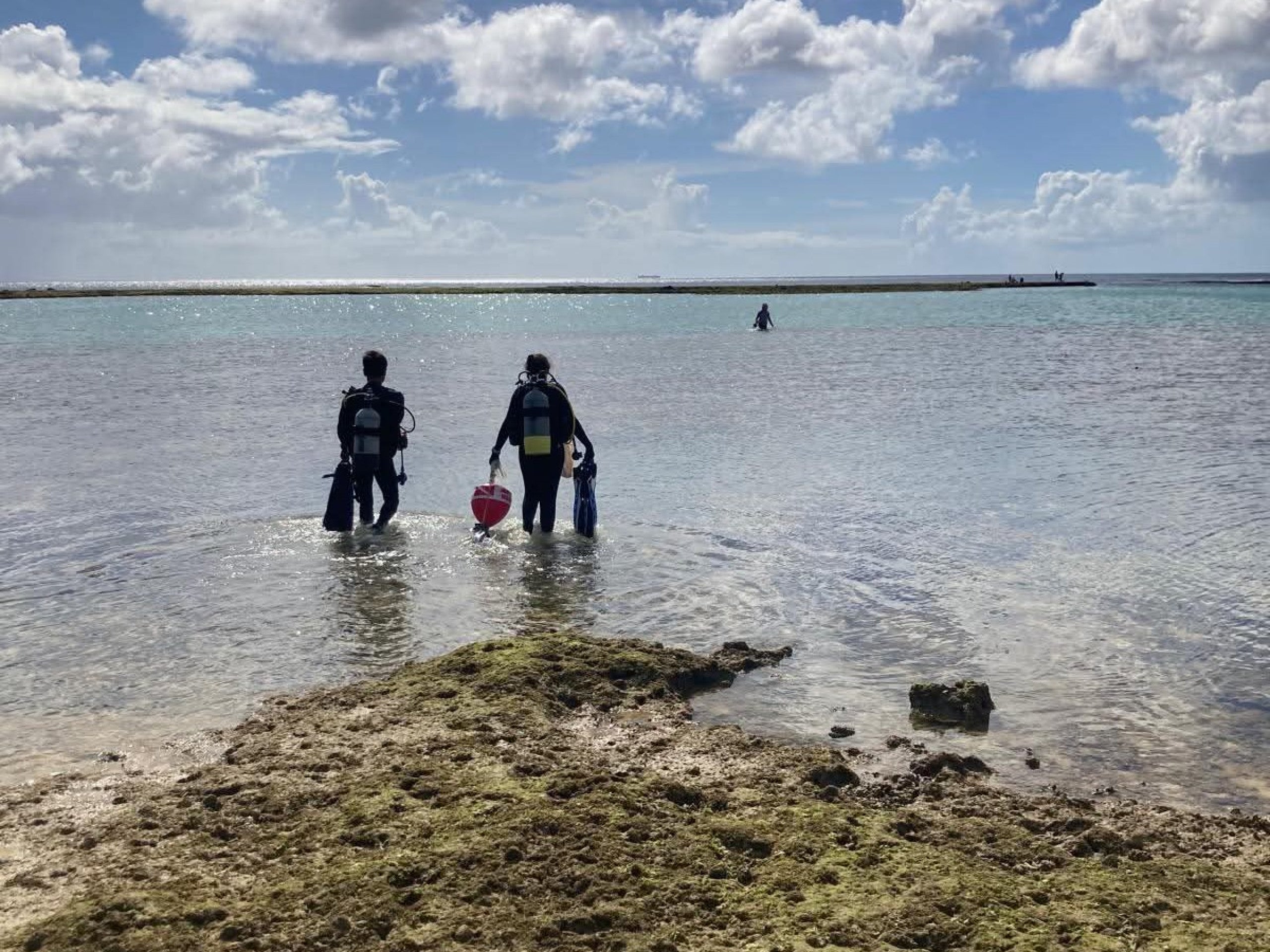
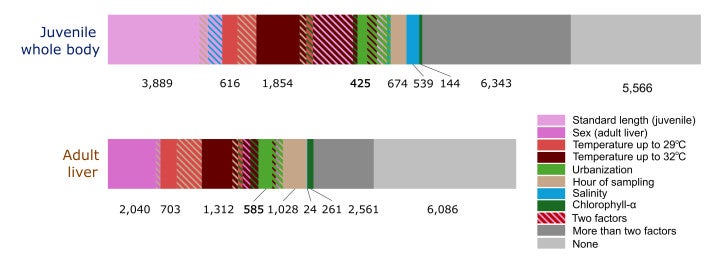
When they analyzed the gene activity of these fish, they found, surprisingly, that many of the genes traditionally used as markers of pollution failed to track urbanization. Their activity was often better explained by factors such as temperature or nutritional status. Only when the researchers looked at gene activity across the genome as a whole did the signature of human activity clearly emerge.
The researchers identified 425 genes in juveniles and 585 genes in adult livers whose activity was associated with urbanization, but not with any of the other environmental factors they measured. These included genes involved in inflammation and immune responses, which were more active in fish from urbanized areas.
The researchers then compared the wild fish with fish raised in the laboratory under different feeding conditions. Adult fish from urbanized areas showed gene activity patterns similar to those of well-fed laboratory fish. Yet these same urban fish also showed increased immune and inflammatory responses, revealing a striking trade-off between nutritional status and physiological stress.
These findings may help answer a long-debated question: why do young reef fish settle in highly urbanized, sometimes visibly degraded coastal areas when cleaner, more natural habitats are available nearby? One possibility is that these environments may be enriched with organic matter, making food abundant and easily accessible.
“We suggest this is a ‘junk food effect’. It’s like teenagers going to a fast food chain: there is plenty to eat, it is cheap, but it may not be good for their health!” says Professor Vincent Laudet, head of OIST’s Marine Eco-Evo-Devo Unit and senior author of the study. “For young fish, an urbanized coastal environment may offer a similar trade-off. There’s plenty of food, but at a physiological cost.”
Overall, the study reveals the potential of using gene activity to better understand environmental conditions and how urbanization affects the organisms living there.
“What is exciting here is that instead of simply measuring the environment around an animal, we can ask the animal itself what it has experienced,” concludes Laudet. “Genome-wide gene activity integrates the many different environmental influences acting on an organism and can reveal physiological effects that remain invisible when we measure water quality or simply count which species are present. And there is no reason why this approach should be limited to fish or coral reefs. In principle, any animal, in any ecosystem, could become a living sensor of environmental change.”


