UD proteomics-driven optimization of human stem cell programming into keratinocytes
Problem
Skin wound healing remains a major global medical challenge, affecting patients with burns, trauma, diabetic ulcers, and surgical injuries. While human induced pluripotent stem cell (iPSC)-derived keratinocytes represent a promising alternative to traditional grafts, current differentiation protocols are slow, inefficient, and poorly optimized. Existing methods rely primarily on chemical induction, typically requiring 30–60 days to generate keratinocytes with variable yield and inconsistent functional quality. Importantly, these approaches insufficiently address cellular health, maturation, and functional integration—critical determinants of clinical efficacy. In parallel, conventional genomics and transcriptomics provide only partial insight into cell behavior, as protein expression and activity—the primary drivers of cellular function—are not fully captured. This limitation restricts the rational design of improved differentiation strategies, ultimately constraining scalable manufacturing and delaying therapeutic interventions for patients in urgent clinical need.
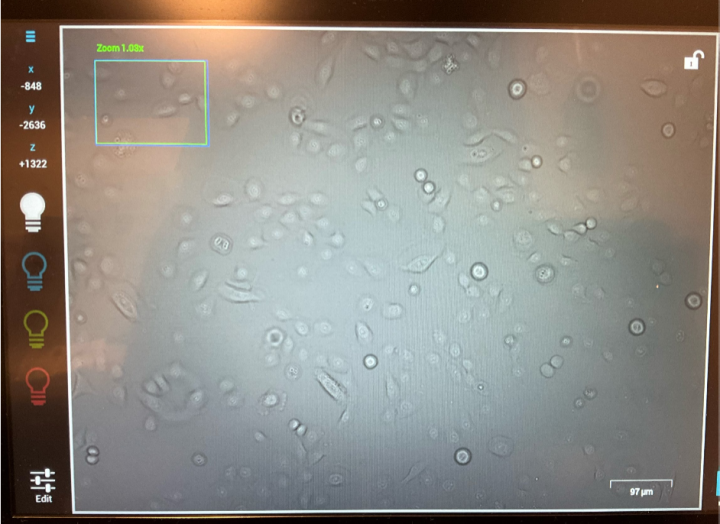
Figure 1. Human keratinocytes in culture, the proteome of which is being deeply investigated in our project.
Solution
Our project develops an advanced differentiation platform based on deep, ML/LLM-augmented proteomics to accelerate and enhance the generation of iPSC-derived keratinocytes. This approach directly quantifies and selects proteins across subcellular compartments, providing actionable insights into the molecular mechanisms governing cell fate decisions. We integrate two complementary strategies: (1) receptor–ligand matching, leveraging membrane proteomics to design optimized culture media tailored to the cells’ signaling landscape, and (2) nuclear proteomics to identify key transcriptional regulators, delivered via LNP-mRNA vectors, to drive rapid and controlled differentiation. Together, these strategies aim to significantly improve differentiation speed, cellular health, maturation, and functional performance. The resulting “enhanced induced keratinocyte cells” (eiKs) are designed for scalable manufacturing and hold strong potential for transformative applications in wound care, regenerative medicine, and dermatological therapies.
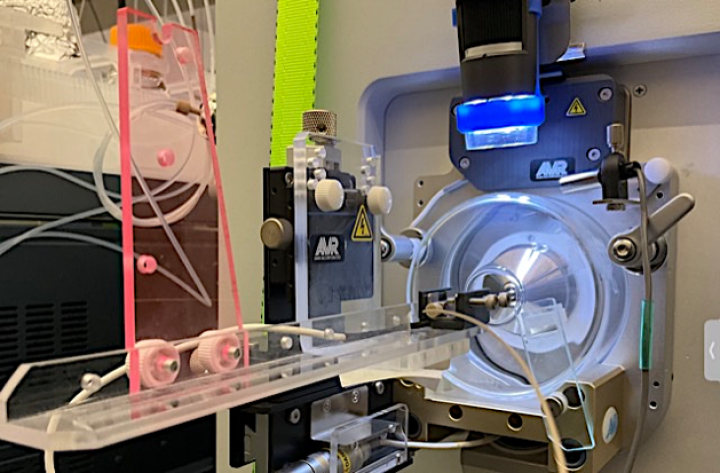
Figure 2. Mass spectrometry device used to dissect human stem cell-derived keratinocytes. (Picture shows the mass spectrometer inlet where samples are injected and hit by a laser for ionization and subsequent protein sequencing).