



28 September 2026
A Buribushi Fellow’s Next Chapter: Dr. Saacnicteh Toledo Patino’s Journey from OIST to UNAM

As part of J-PEAKS, OIST is creating a career development system that enables early-career researchers to take the initiative in advancing their research and grow into the next generation of research leaders. One of these initiatives is the Buribushi Fellowship, a program that provides early-career researchers with funding, lab-space, and professional development that allows recipients to lead their own research projects as independent Principal Investigators (PIs). “Buribushi” means “a cluster of stars” in Uchinaguchi, the Okinawan language.
Dr. Saacnicteh Toledo Patino of the Molecular Bioengineering Group received the Buribushi Fellowship in 2024. She has been conducting research while leading her own research group at OIST, and recently received an offer for a tenured position at the National Autonomous University of Mexico (UNAM).
In this Q&A, Dr. Patino reflects on her experience as a Buribushi Fellow and shares how the fellowship has influenced her career, her research, and her perspective on teaching and leading research teams.
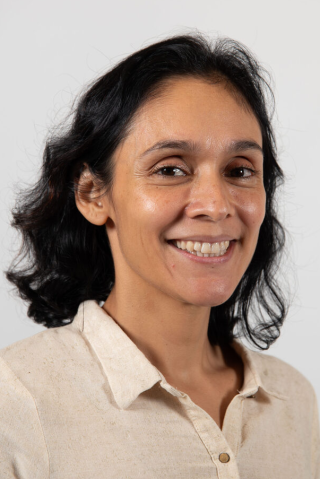
1. Could you briefly introduce yourself and tell us about your current research?
My name is Saacnicteh, but people at OIST call me Nicteh — Mayan names aren't always easy for foreigners to pronounce. I am originally from Mexico, but I have spent the last 20 years moving around the world. I have been a Buribushi Fellow for the past two years, working on protein evolution and design to develop solutions for energy-related challenges. Of all the places I have lived abroad, Okinawa has been my favorite by far.
2. What motivated you to apply for the Buribushi Fellowship?
Pursuing an academic career is not easy, particularly as a female Hispanic researcher — opportunities are not always readily available. The Buribushi Fellowship stood out as a unique opportunity because it offers full independence as a PI, the chance to build and hire your own team, and dedicated lab space to kick-start your research. What more could an early-career scientist ask for?
3. What has been the most valuable aspect of being a Buribushi Fellow?
The independence to pursue my own ideas. It is common for early-career researchers to work under the guidance or within the framework of a senior scientist's lab; the Buribushi Fellowship, by contrast, gave me full agency to pursue the research I truly care about.
4. How did the opportunities provided through the Buribushi Fellowship — such as research funding, support for hiring personnel, Showcase Talks, and leadership training — contribute to your professional development?
Every piece of training has been a valuable experience, and OIST offers a wealth of training opportunities free of charge. Through these, I learned how to build a strong team, how to be a better mentor, and how to organize my lab more effectively. The Showcase Talks, in particular, broadened my network and fostered new collaborations.
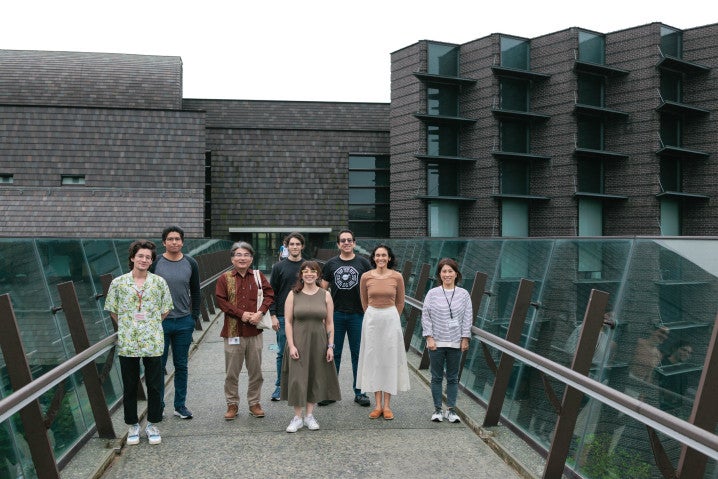
5. What are your thoughts on the OIST environment, and how has it influenced your research and career development?
Having such a multidisciplinary research environment at OIST has been incredibly enriching, because it pushes you to think about your own projects from different angles. For instance, I had the opportunity to collaborate with marine scientists, even though that field is quite far from my own area of expertise. I learned a great deal from other disciplines, and it has been a genuinely exciting experience.
6. What are your thoughts on the role of international postdoctoral researchers in Japan?
International postdocs play a key role in bringing diverse perspectives and international networks to Japanese institutions, which strengthens both research output and global collaboration. From my own experience at OIST, I saw firsthand how institutional support — from administrative teams to the overall lab environment — makes a real difference in helping international researchers thrive. As Japan continues to attract more global talent, I believe having strong support systems in place, particularly around administrative and visa processes, will be increasingly important to ensure that talent is retained and able to focus on their research.
7. What kind of environment do you think is important for early-career researchers to thrive?
Independence. I believe early-career researchers should be given the opportunity to lead independent projects, even as postdocs, where they can develop and define their own niche. If early-career researchers only work in service of their senior PI's agenda, they struggle to establish their own identity within the field, which makes it much harder for them to eventually secure an independent position.
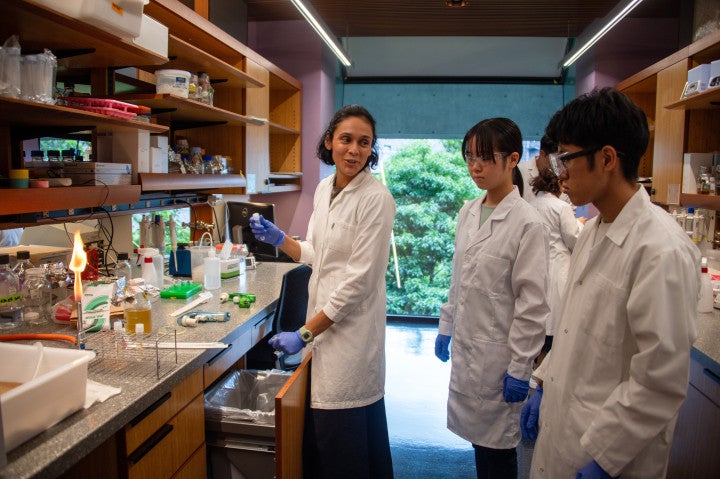
8. If you could design the ideal fellowship program for early-career researchers, what elements would you include?
I would definitely include the opportunity to host PhD students, even in a co-PI capacity alongside a senior professor. This structure gives the student more support and more mentorship opportunities, allows the main PI to share some of their mentoring responsibilities, and gives the Buribushi Fellow valuable mentoring experience of their own. As a Buribushi Fellow, one of my main challenges was that I had to fund all of my own students, so a large portion of my budget went toward student support. I was fortunate to secure external funding for research, but without it, my research trajectory would have looked quite different.
9. What are your goals and aspirations for the future?
I strongly believe that good mentorship is the foundation of a successful team. When students and lab members feel happy and safe to share their ideas, they feel more fulfilled, and there is more room for creativity. I hope to be a good mentor in the future, because science is not measured by one's own research alone — its impact extends and branches out through the people you train, and that, to me, is more meaningful than focusing solely on my own research output. On the research side, as I transition into an associate professor role, I look forward to continuing the research goals I set for myself at OIST. I also hope to stay connected to OIST's research community going forward, and I would love the opportunity to return in the near future — perhaps through a sabbatical, collaborative projects, or future visits.
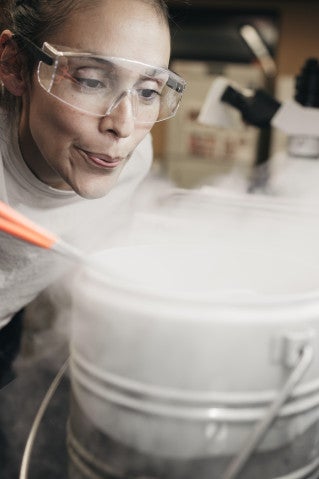
The Buribushi Fellowship provides early-career researchers with an important opportunity to establish themselves as independent researchers and build international careers. With support from J-PEAKS, OIST will continue to empower outstanding researchers as they take on new challenges and develop into the next generation of research leaders.


