


プロボスト・レクチャー・シリーズ

プロボスト・レクチャー・シリーズは、OIST教員のキャリアの節目を祝うとともに、その歩みや成果を広く紹介することを目的とした講演シリーズです。
過去の講演
Tomomi Kiyomitsu
Yejun Feng
Marco Terenzio
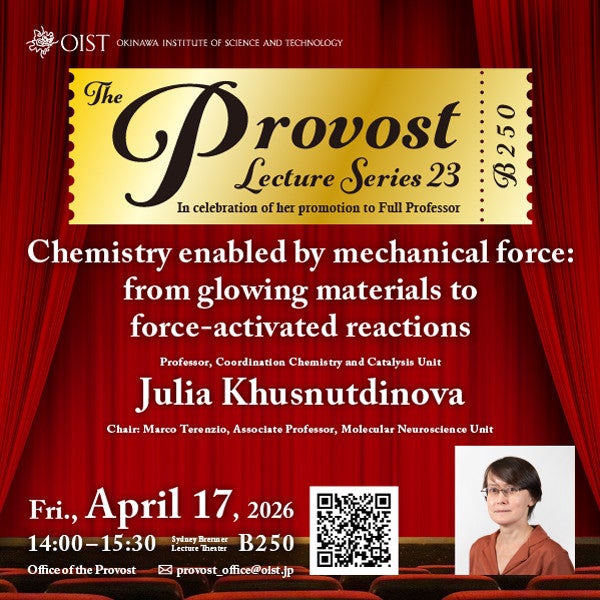
Julia Khusnutdinova
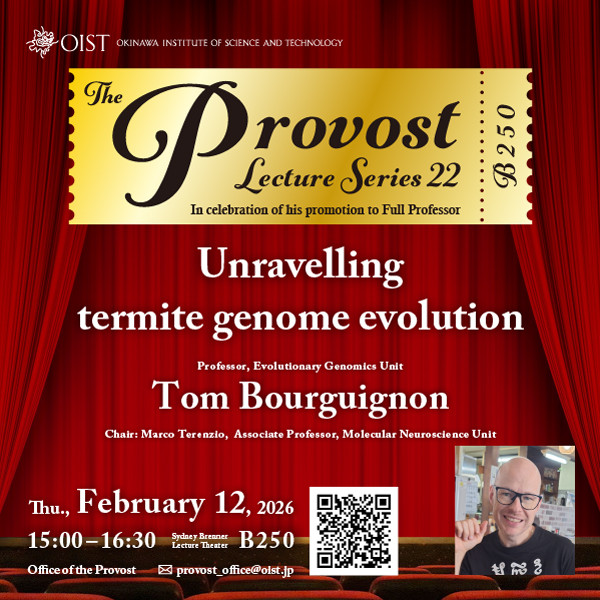
Tom Bourguignon
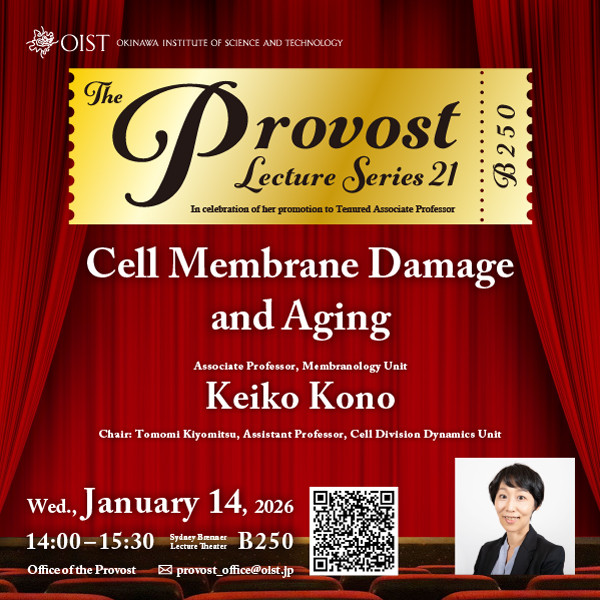
Keiko Kono
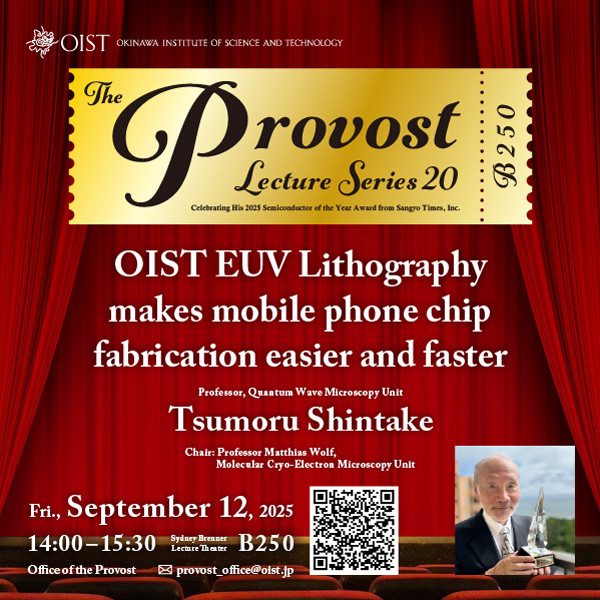
Tsumoru Shintake
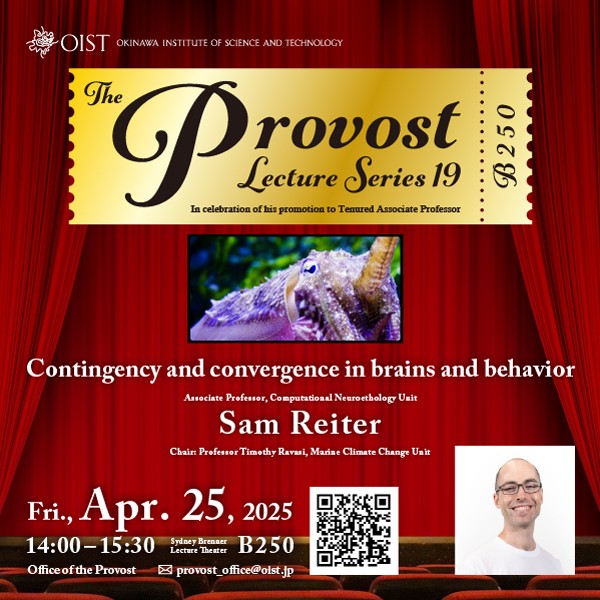
Sam Reiter
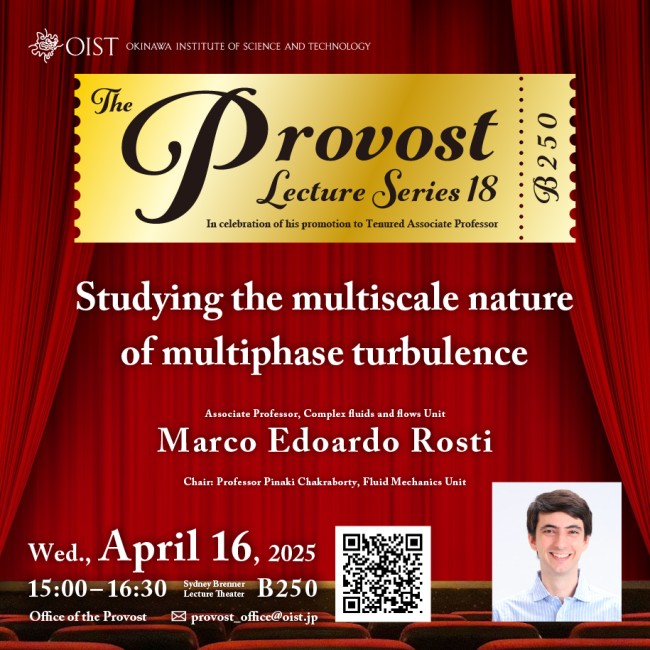
Marco Edoardo Rosti
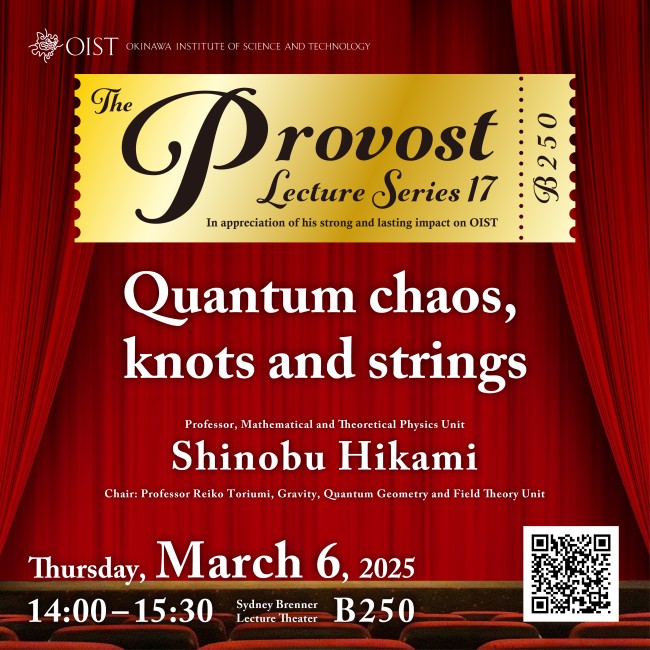
Shinobu Hikami
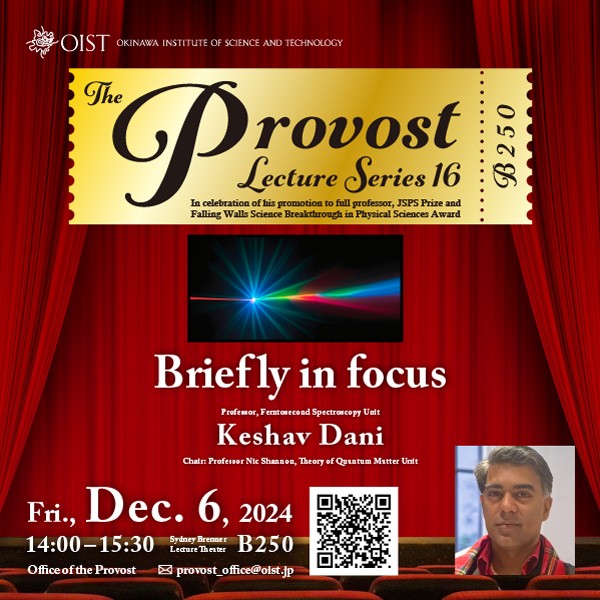
Keshav Dani
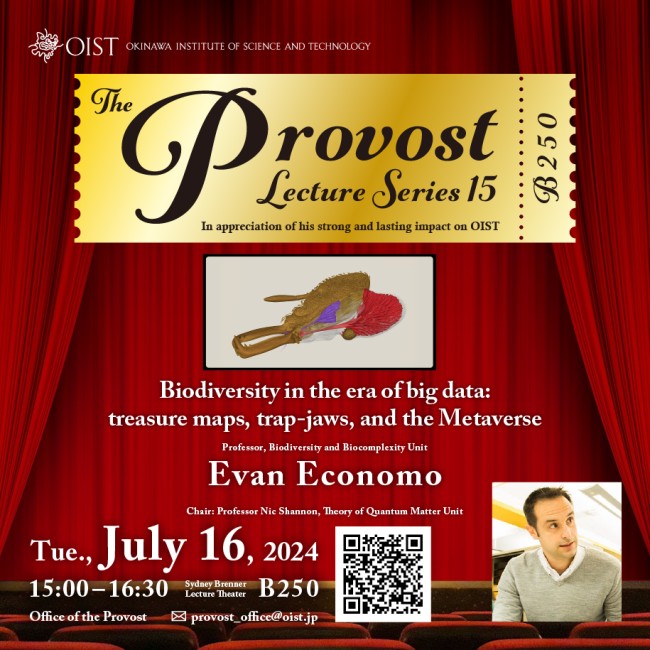
Evan Economo
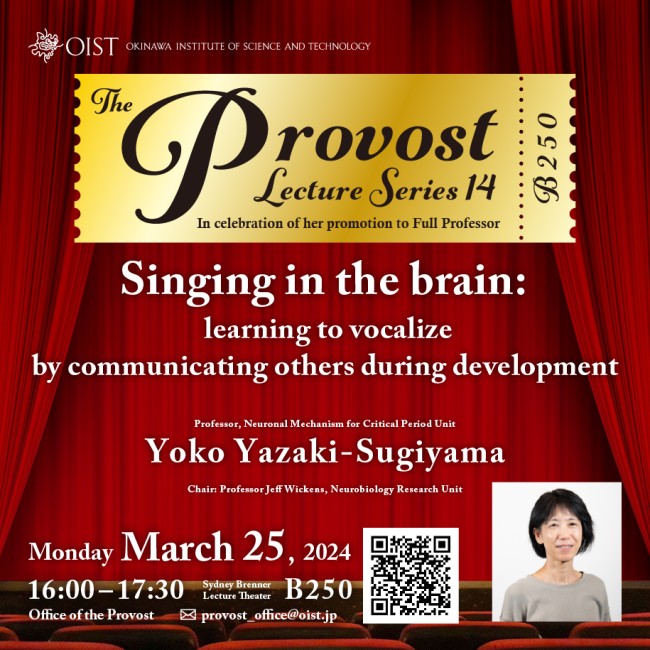
Yoko Yazaki-Sugiyama

Satoshi Mitarai
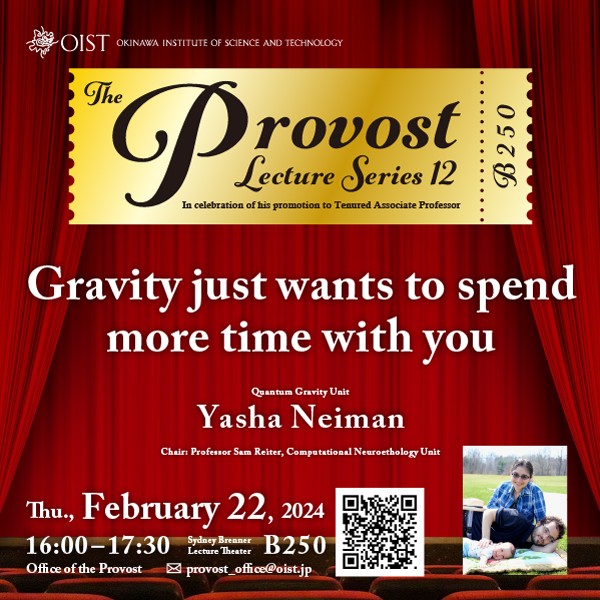
Yasha Neiman
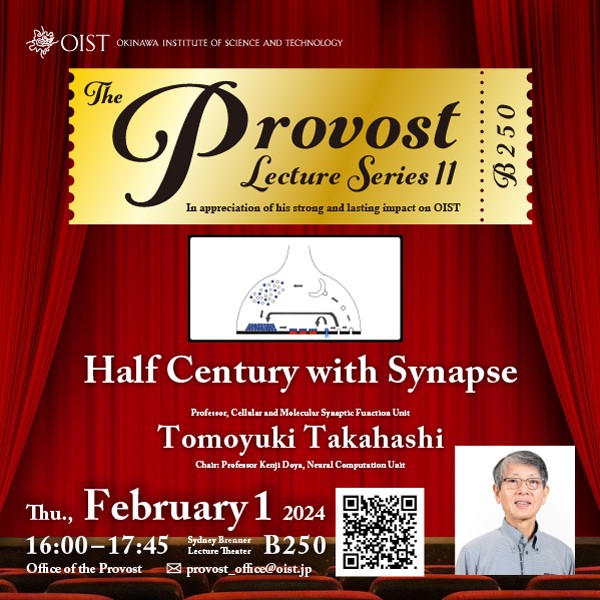
Tomoyuki Takahashi

Yabing Qi
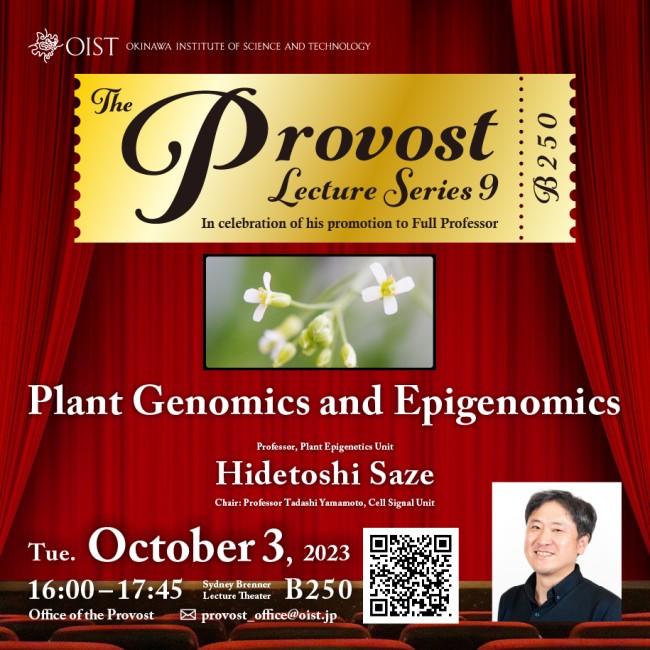
Hidetoshi Saze
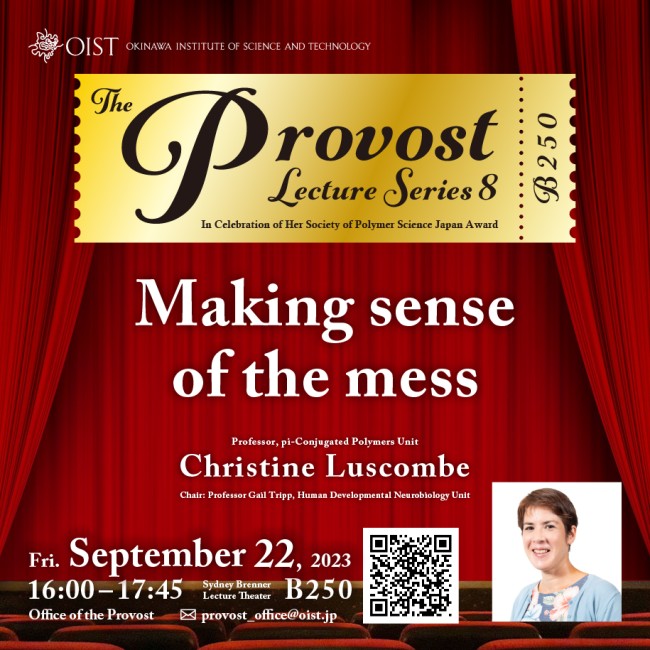
Christine Luscombe

Izumi Fukunaga
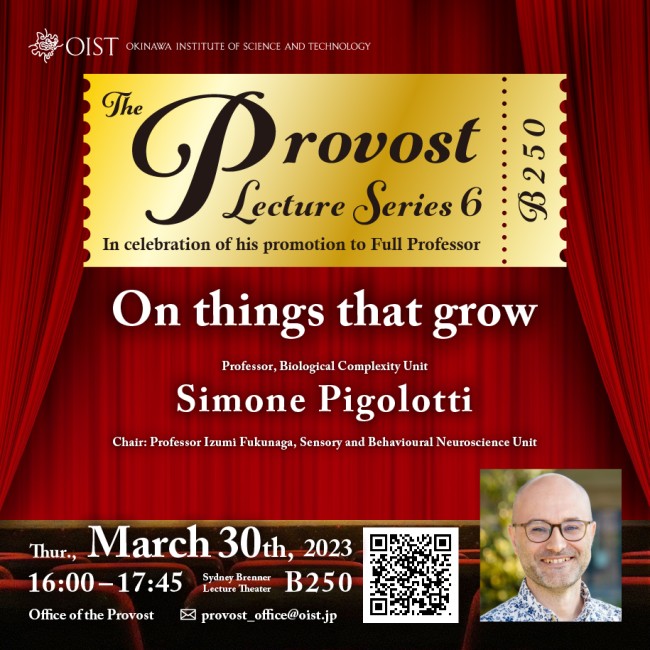
Simone Pigolotti
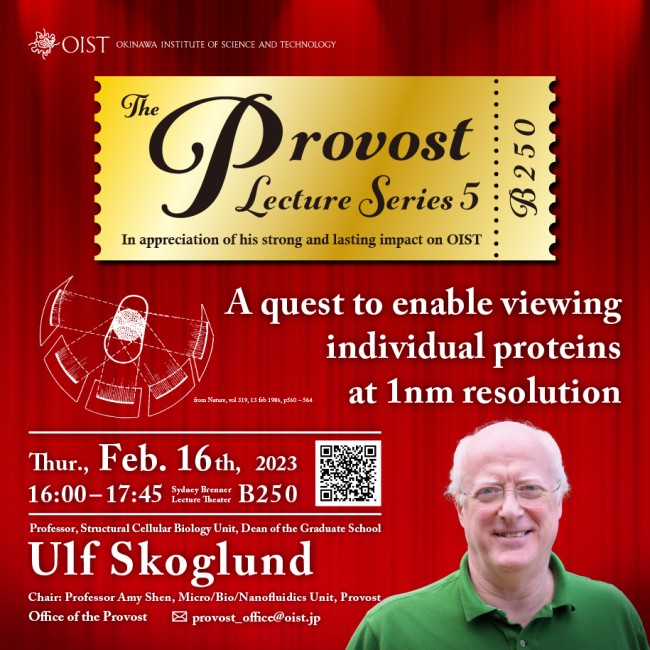
Ulf Skoglund
Paola Laurino
Tom Bourguignon
Mahesh Bandi
Ichiro Maruyama
2026
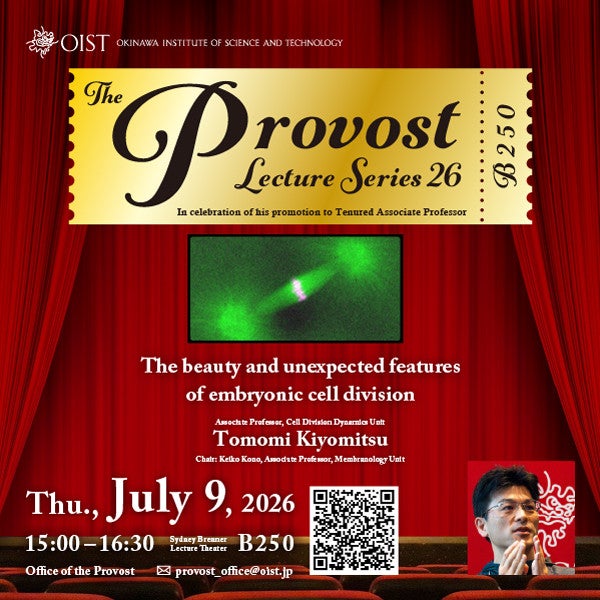
The Provost Lecture Series 26
Tomomi Kiyomitsu
Date: July 9, 2026
Title: The beauty and unexpected features of embryonic cell division
Speaker: Tomomi Kiyomitsu, Associate Professor, Cell Division Dynamics Unit
Abstract:
At OIST, we have established a medaka fish facility and conducted research on the intracellular dynamics and mechanisms of embryonic cell division using medaka fertilized eggs. We found that early embryonic division exhibits numerous beautiful yet unexpected features that differ from those of somatic cell division. In this Provost Lecture, I would like to share our findings and future direction with the OIST community. We look forward to hearing your feedback to further advance our unit research.
Chair: Keiko Kono, Associate Professor, Membranology Unit
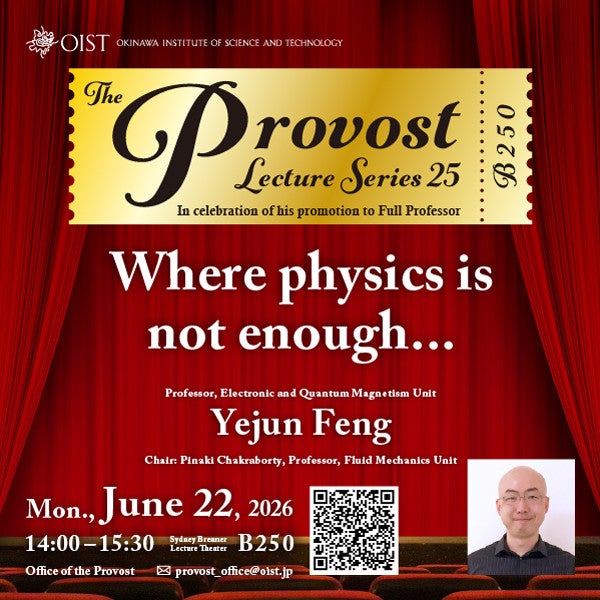
The Provost Lecture Series 25
Yejun Feng
Date: June 22, 2026
Title: Where physics is not enough...
Speaker: Yejun Feng, Professor, Electronic and Quantum Magnetism Unit
Abstract:
Over the past several decades, there has existed abundant amount of physics interest in materials with a pyrochlore sublattice, which can potentially host spin frustrations in the three-dimensional space and lead to exotic spin states of either trivial or non-trivial topological properties. However, experimentally, even the ground state of spinel ZnFe2O4, a classical spin system that had been studied over seventy years, had not been clearly resolved. With arduous efforts from my former Ph.D. student Margarita Dronova and many former and current Unit members, we experimentally improved the chemical quality by limiting various types of disorder in single crystal ZnFe2O4 to a total level of ~0.2% [1]. Such high-quality crystals allow a clarification of the long-range antiferromagnetic ground state with a three-dimensional checkerboard pattern [2]. This full control of materials’ chemistry enables us to further explore the experimental identity of spin glass. Here we introduce non-magnetic cations into ZnFe2O4 in a controlled manner by limiting them only to pyrochlore but no other sites. This destruction of a long-range order draws a similarity to the paradigm of quantum criticality, and the minimal amount of disorder used to drive this evolution allows one to explore spin glass in its emergent state, in the proximity of either long- or short-range order. Neutron magnetic diffuse scattering, probing at pico-second time scale, provides key separations between the entities of long-, short-range orders and spin glass [3].
Reference:
[1] Dronova et al., PNAS 119, e2208748119 (2022).
[2] Dronova et al., PRB 109, 064421 (2024), with Editor’s Suggestion.
[3] Dronova et al., Arxiv:2507.07783.
Chair: Pinaki Chakraborty, Professor, Fluid Mechanics Unit
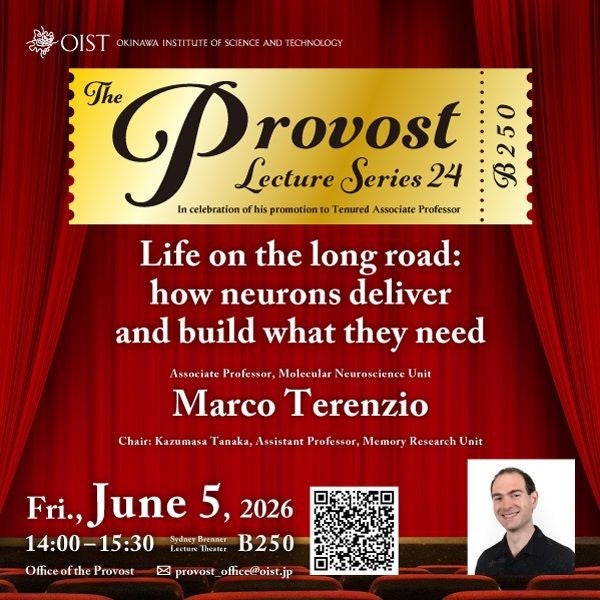
The Provost Lecture Series 24
Marco Terenzio
Date: June 5, 2026
Title: Life on the long road: how neurons deliver and build what they need
Speaker: Marco Terenzio, Associate Professor, Molecular Neuroscience Unit
Abstract:
Neurons are highly polarized cells with an elongated axon that extends far away from the cell body. To maintain neuronal homeostasis, neurons rely extensively on axonal transport of membranous organelles and other molecular complexes in addition to local translation of proteins. Axonal transport plays a central role in the establishment of neuronal polarity, axonal growth and stabilization and synapses formation, allowing for precise spatio-temporal activation and modulation of numerous molecular cascades. Anterograde and retrograde axonal transport is supported by various molecular motors, such as kinesins and dyneins, and a complex microtubule network. In this seminar I will discuss some aspects of retrograde signaling in neurons, ranging from injury signals to dynein-mediated axonal transport, which are critical for the survival of neurons.
Chair: Kazumasa Tanaka, Assistant Professor, Memory Research Unit
The Provost Lecture Series 23
Julia Khusnutdinova
Date: April 17, 2026
Title: Chemistry enabled by mechanical force: from glowing materials to force-activated reactions
Speaker: Julia Khusnutdinova, Professor, Coordination Chemistry and Catalysis Unit
Abstract:
Chemistry is commonly thought of as a discipline that studies substances, their properties, their transformations, and reactions with other substances. In order to induce chemical change, the substances can be heated to high temperatures (or cooled if the reaction produces lots of heat or is temperature sensitive), we can shine light on them, pass an electric current through a solution containing them, or even microwave them in an oven, which is often done in a solution containing dissolved reactants. However, applying mechanical stimulation (such as stretching, grinding, friction, or impact), as a way to change properties or induce chemical reactions, has not been a popular tool for chemists historically. Historically, grinding materials until they react is a technique used before chemistry became a discipline, in the times of alchemy or even in ancient times. Until recently, the arguments against mechanical methods were low reproducibility and inability to compete with solution methods.
At the same time, it was known that certain compounds have unique properties that can be observed after mechanical stress. As materials from them started being developed and mechanically responsive devices in the modern world (touch pads, etc..) became more common, mechano-responsive chemical materials started to capture the imagination of many. And if a chemical has unique properties in response to mechanical stress, then the next question is, would the outcome of reactions induced by mechanical action be different to those carried out by classical solvent methods? In that light, recently developed mechanochemical reactors have enabled reproducibility and a rush for discovery in this new and exciting field.
In the first part of my lecture, I will introduce our decade-long journey into the design of mechanoresponsive materials that change their luminescent properties in response to mechanical stretching or rubbing. In particular, I will focus on films containing metal complexes that change photoluminescence intensity in response to stretching, or produce mechanoluminescence (emission of light caused by mechanical stimulation). Inspired in part by these results, and in part from the catalytic results obtained from our lab’s more traditional ‘solution-based chemistry’ research directions, in the second part I will talk about our more recent adventures in the field of mechanochemistry – where inducing chemical reactions through ball milling led us to make observations into the basic aspects of mechanochemical reactions.
Chair: Marco Terenzio, Associate Professor, Molecular Neuroscience Unit
The Provost Lecture Series 22
Tom Bourguignon
Date: Thursday, February 12, 2026
Speaker: Tom Bourguignon, Professor, Evolutionary Genomics Unit
Title: Unravelling termite genome evolution
Abstract:
The first human genome sequence was released 25 years ago after almost two decades of planning, collaboration, and competition. Sequencing technologies have greatly improved since then, and it is now possible for a small team of researchers to sequence and analyze dozens of animal genomes. In this lecture, I will describe the results obtained with our “termite genome project,” for which we sequenced and compared 45 termite genomes. This lecture will illustrate how many genomes can now easily be acquired to study your favorite non-model organisms.
Chair: Marco Terenzio, Associate Professor, Molecular Neuroscience Unit
The Provost Lecture Series 21
Keiko Kono
Date: Wednesday, January 14, 2026
Speaker: Keiko Kono, Associate Professor, Membranology Unit
Title: Cell Membrane Damage and Aging
Abstract:
Our bodies are composed of 37 trillion cells; all cells are surrounded by a ~5 µm cell membrane, which is thinner than a soap bubble. Therefore, our cells experience frequent mechanical stress and cell membrane damage during our regular activities. There are two known cellular fates after cell membrane damage, either recovery or death. We recently discovered the third cellular outcome: cell aging. Accumulating evidence suggests that cell aging explains some features of our body aging. Our study would ultimately address the long-standing question of how our cells age and how we age, and potentially contribute to healthy aging, stemming from the Okinawan traditional culture of healthy aging.
Chair: Tomomi Kiyomitsu, Assistant Professor, Cell Division Dynamics Unit
2025
The Provost Lecture Series 20
Tsumoru Shintake
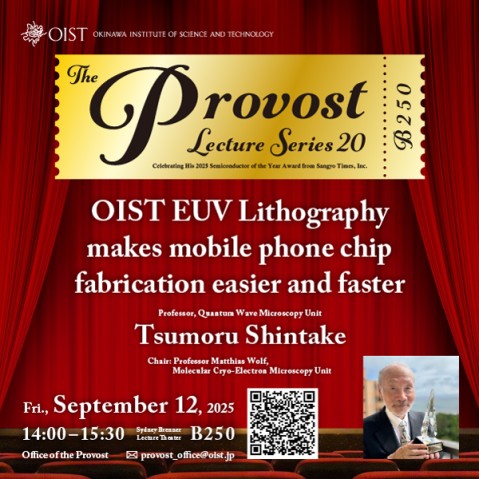
Date: Friday, September 12, 2025
Speaker: Professor Tsumoru Shintake, Quantum Wave Microscopy Unit
Title: OIST EUV Lithography invention makes mobile phone chip fabrication easier and faster
Abstract:
This is a good example: 'Classical optics works very well', which is the scope of B11 classes for students. This is applied science, not quantum mechanics. Today's advanced chips, like those in your mobile phone, use extreme ultraviolet light to print logic circuit patterns with nanometre resolution onto the wafer. Current ASML technology uses 1 megawatt of AC power and is extremely expensive. It costs around 200 million euros. The OIST invention is ten times more efficient, i.e. consuming less than 100 kW and costs less than 50 million euros. We are developing this technology, which will be tested at Lab5 soon.
Chair: Professor Matthias Wolf, Molecular Cryo-Electron Microscopy Unit
The Provost Lecture Series 19
Sam Reiter
Date: Friday, April 25, 2025
Speaker: Professor Samuel Reiter, Computational Neuroethology Unit
Title: Contingency and convergence in brains and behavior
Abstract:
If you could rewind the tape of life 600 million years and played it again, would you see the same kinds of minds? Looking at octopus, cuttlefish, and squid I argue no... but yes.
Chair: Professor Timothy Ravasi, Marine Climate Change Unit
The Provost Lecture Series 18
Marco Edoardo Rosti
Date: Wednesday, April 16, 2025
Speaker: Professor Marco Edoardo Rosti, Complex fluids and flows Unit
Title: Studying the multiscale nature of multiphase turbulence
Abstract:
Turbulent flows are ubiquitous in nature and industrial applications, but notoriously difficult to predict, owing to the non-linear and multiscale dynamics at play. The situation is further complicated when considering multiphase flows, where turbulent fluctuations can profoundly affect the dynamics of the dispersed phase, which in turn, can modulate the turbulent flow in complex and sometimes unpredictable ways. In the talk, I will discuss how we are advancing our understanding of multiphase turbulence.
Chair: Professor Pinaki Chakraborty, Fluid Mechanics Unit
The Provost Lecture Series 17
Shinobu Hikami
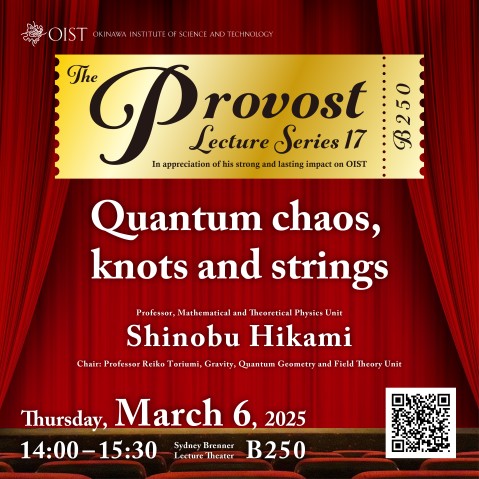
Date: Thursday, March 6, 2025
Speaker: Professor Shinobu Hikami, Mathematical and Theoretical Physics Unit
Title: Quantum chaos, knots and strings
Abstract:
The statistics for nature, in many case, finds universal quantum chaotic behaviors.
Entangled knots have a relation to string theory with BPS invariants created by Schwinger effect.
We discuss the relations between these three subjects with examples of phenomena in exotic materials.
Chair: Professor Reiko Toriumi, Gravity, Quantum Geometry and Field Theory Unit
2024
The Provost Lecture Series 16
Keshav Dani
Date: Friday, December 6, 2024
Speaker: Professor Keshav Dani, Femtosecond Spectroscopy Unit
Title: Briefly in focus
Abstract:
I will discuss - in a way that’s accessible to the broader OIST community - the various fun and interesting scientific activities of the Femtosecond Spectroscopy Unit over the past decade.
Chair: Professor Nic Shannon, Theory of Quantum Matter Unit
The Provost Lecture Series 15
Evan Economo
Date: July 16, 2024
Speaker: Professor Evan Economo, Biodiversity and Biocomplexity Unit
Title: Biodiversity in the era of big data: treasure maps, trap-jaws, and the Metaverse
Abstract:
The diversity of life on this planet is still poorly documented and understood, even as it is under serious threat. Nonetheless, emerging technologies are providing new opportunities to unveil biodiversity and track how it is changing in the Anthropocene. In this talk, I overview several lines of research in our lab to develop big data approaches to biodiversity science, focusing on. First, I discuss a project to resolve a species-level map of life for ants, and how this has illuminated both global patterns of diversification and important regions for conservation. Second, we need to monitor changes to populations and communities under anthropogenic stressors. I present work using community-collaborative observation networks to monitor ecological dynamics and track the spread of introduced species. Third, organisms are more than points on a map, and 3D X-ray tomography can capture big data to investigate organismal form and function across the tree of life. As an example, I present work on the spectacular diversification of ant mandibles, including the repeated evolution of specialized ultrafast weapons. Finally, I offer some perspectives for how big data and immersive media technologies can change how we interact with biodiversity in the lab, at home, and in the field. These research lines grew along with—and benefited from—the interdisciplinary environment at OIST.
Chair: Professor Nic Shannon, Theory of Quantum Matter Unit
The Provost Lecture Series 14
Yoko Yazaki-Sugiyama
Date: March 25, 2024
Speaker: Professor Yoko Yazaki-Sugiyama, Neuronal Mechanism for Critical Period Unit
Title: Singing in the brain: learning to vocalize by communicating with others during development
Abstract:
Like humans learning to speak, songbirds learn to sing by socially communicating with tutors during their developmental period. Both types of learning do not require guidance, rewards or punishments, but are innate to each species and induced by hearing the vocalizations by adults of their own species. Our lab, Neuronal Mechanism for Critical Period unit, has been investigating cell, neuronal circuit and system mechanisms of innate songbird learning from auditory experience, including how birds detect their own species song, learn intensively with vocal communication, and learn exclusively during developmental critical periods. In this talk, I will present our lab recent works for understanding the underlying neuronal mechanism for memory formation of auditory experience of tutor singing and auditory memory guided vocal motor mimicking.
Chair: Professor Jeff Wickens, Neurobiology Research Unit
The Provost Lecture Series 13
Satoshi Mitarai
Date: March 21, 2024
Speaker: Professor Satoshi Mitarai, Marine Biophysics Unit
Title: Developing the Marine Biophysics Unit
Abstract:
The Marine Biophysics Unit (MBU) was established at OIST in 2009, because of Okinawa’s ideal geographic position and access to the outstanding research resources of OIST. Okinawa’s beautiful coral reefs lie at the northern boundary of the Pacific Ocean region with the highest marine biodiversity, exposed to large seasonal variations in water temperature. Okinawa is located close to hydrothermal vent fields that support ecosystems of endemic species that do not depend on photosynthesis. It is also situated in “Typhoon Alley”, the region with the most frequent and fully-developed tropical cyclones on Earth. The MBU takes advantage of these natural resources to study the interaction of physical and biological processes in the ocean. I will introduce some examples of the MBU research activities.
Chair: Professor Amy Shen, Micro/Bio/Nanofluidics Unit, Provost
The Provost Lecture Series 12
Yasha Neiman
Date: February 22, 2024
Speaker: Professor Yasha Neiman, Quantum Gravity Unit
Title: Gravity just wants to spend more time with you.
Abstract:
This is a physics lecture for non-physicists. Our main goal will be to understand the familiar gravitational force as a consequence of time dilation. We will talk about:
- How the reflection and refraction laws of geometric optics follow from Fermat's least-time principle.
- "Experienced time" vs. "coordinate time" in Special Relativity and the twins' paradox.
- Inertia from a "most experienced time principle".
- Newtonian gravity from a modification of the experienced-time formula.
- The metric field of General Relativity.
- Electromagnetism as an "extra" contribution to experienced time.
- Mass, charge, action.
Chair: Professor Sam Reiter, Computational Neuroethology Unit
The Provost Lecture Series 11
Tomoyuki Takahashi
Date: February 1, 2024
Speaker: Professor Tomoyuki Takahashi, Cellular and Molecular Synaptic Function Unit
Title: Half Century with Synapse
Abstract:
Central synapses dynamically direct the flow of action potential signaling through neuronal circuits, thereby regulating brain functions. Synaptic transmission relies on chemical neurotransmitters, which are concentrated in presynaptic vesicles and released by exocytosis. To maintain neurotransmission, vesicles are continuously recycled and refilled with transmitter, a process that consumes most of the ATP provided to the brain. In the past half century, I have explored the fundamental regulatory mechanisms of synaptic transmission. Towards the terminal of my research track, I tackled the underlying causes of synaptic dysfunctions and luckily reached a promising platform, providing new possibilities for the treatment of brain diseases.
Chair: Professor Kenji Doya, Neural Computation Unit
2023
The Provost Lecture Series 10
Yabing Qi
Date: December 14, 2023
Speaker: Professor Yabing Qi, Energy Materials and Surface Sciences Unit
Title: Surface sciences and perovskite solar cells
Abstract:
Solar cells based on metal halide perovskite materials have emerged as a promising candidate for next-generation photovoltaic technology. In these solar cell devices, surfaces and interfaces play a pivotal role. In this talk, I will share our research results on surface science studies on perovskite materials. Also, I will show a few examples to demonstrate the solar cell applications of perovskite materials.
Chair: Professor Evan Economo, Biodiversity and Biocomplexity Unit, Dean of Faculty Affairs
The Provost Lecture Series 9
Hidetoshi Saze
Date: October 3, 2023
Title: Plant Genomics and Epigenomics
Speaker: Professor Hidetoshi Saze, Plant Epigenetics Unit
Abstract:
Genomes of higher eukaryotes, including plants, harbor a multitude of repetitive elements known as transposons. In this lecture, I will present our recent research focused on the epigenome regulation of genes and transposons, highlighting their significant role in plants' responses to environmental stimuli. Furthermore, I will introduce our collaborative research initiatives, which employ plant genomics approach to tackle pressing challenges within Okinawan society.
Chair: Professor Tadashi Yamamoto, Cell Signal Unit
The Provost Lecture Series 8
Christine Luscombe
Date: September 22, 2023
Speaker: Professor Christine Luscombe, pi-Conjugated Polymers Unit
Title: Making sense of the mess
Abstract:
Polymers, ubiquitous in both the synthetic and natural world, display fascinating structural diversity and applications. This structural diversity makes polymers messy and difficult to understand. One way to disentangle the mess is to synthesize them in a more controlled fashion. In this talk, I will present our work in developing the controlled synthesis of semiconducting polymers, which led to our 2022 Society of Polymer Science Japan Award.
Chair: Professor Gail Tripp, Human Developmental Neurobiology Unit
The Provost Lecture Series 7
Izumi Fukunaga
Date: April 20, 2023
Title: Smelling flexibly
Speaker: Professor Izumi Fukunaga, Sensory and Behavioural Neuroscience Unit
Abstract:
Adapting neural representations to rapidly changing behavioural demands is a powerful property of the nervous system. It is beneficial because an optimal representation of a stimulus depends on what the animal needs to do at a given moment. Accordingly, context-dependent modulation occurs throughout the sensory systems of the brain. Still, we are only beginning to understand the underlying mechanisms. I will share some of our attempts on this quest from our studies on the mouse olfactory system.
Chair: Professor Simone Pigolotti, Biological Complexity Unit
The Provost Lecture Series 6
Simone Pigolotti
Date: March 30, 2023
Title: On things that grow
Speaker: Professor Simone Pigolotti, Biological Complexity Unit
Abstract:
Thanks to progress in physics, we understand fairly well the behavior of inanimate matter at thermodynamic equilibrium. But can physics help us understand things that are out of equilibrium and alive? In this Lecture, using examples from our research, I will try to convince the audience that the answer is yes.
Chair: Professor Izumi Fukunaga, Sensory and Behavioural Neuroscience Unit
The Provost Lecture Series 5
Ulf Skoglund
Date: February 16, 2023
Title: A quest to enable viewing individual proteins at 1nm resolution
Speaker: Professor Ulf Skoglund, Structural Cellular Biology (SCB) Unit, Dean of the Graduate School
Abstract:
Three-dimensional (3D) visualization of individual, or clustered, protein conformations (e.g. movements, flexing and rotations) is one helpful way to understand protein behavior under various conditions. Using specimen recordings from a number of viewing angles in a transmission electron microscope, a 3D reconstruction of a selected volume containing the specimen can be calculated. Algorithms, that our research unit is developing at OIST, enable the 3D reconstructions to be calculated at sub-1-nm resolution for proteins as small as 35kD in fast-frozen buffer solutions. As a result, we can now establish the clustered conformational space distribution for a given macromolecule by analyzing snapshots of its various 3D conformations as they appear in a chosen buffer. This technology is useful for the pharmaceutical industries because they can view their molecules different conformational states as dependent on the buffers used.
Chair: Professor Amy Shen, Micro/Bio/Nanofluidics Unit, Provost
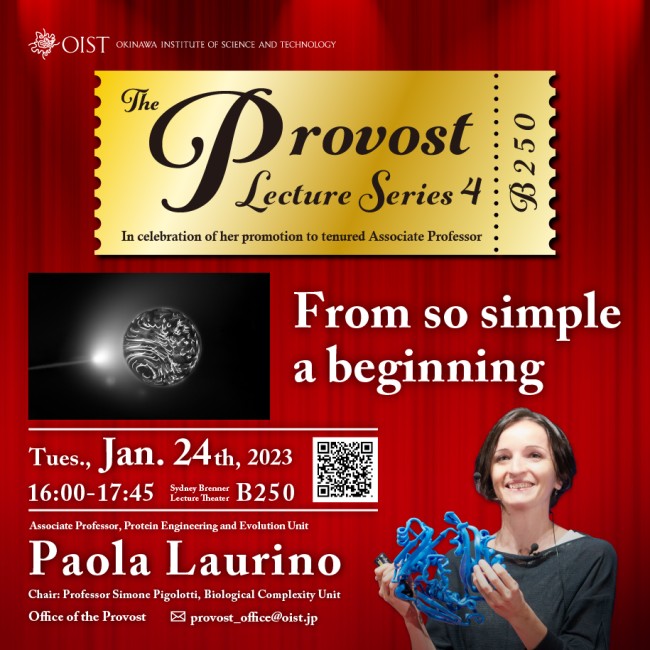
The Provost Lecture Series 4
Paola Laurino
Date: January 24, 2023
Title: From so simple a beginning
Speaker: Professor Paola Laurino, Protein Engineering and Evolution Unit
Abstract:
From an empty space in September 2017, we built up the Protein Engineering and Evolution Unit. Thanks to OIST support in these last five years, we took over high-risk projects that led to significant discoveries. Among these projects, I will discuss a new system established in our laboratory that changes our view of enzyme performance in natural conditions.
Chair: Professor Simone Pigolotti, Biological Complexity Unit
2022
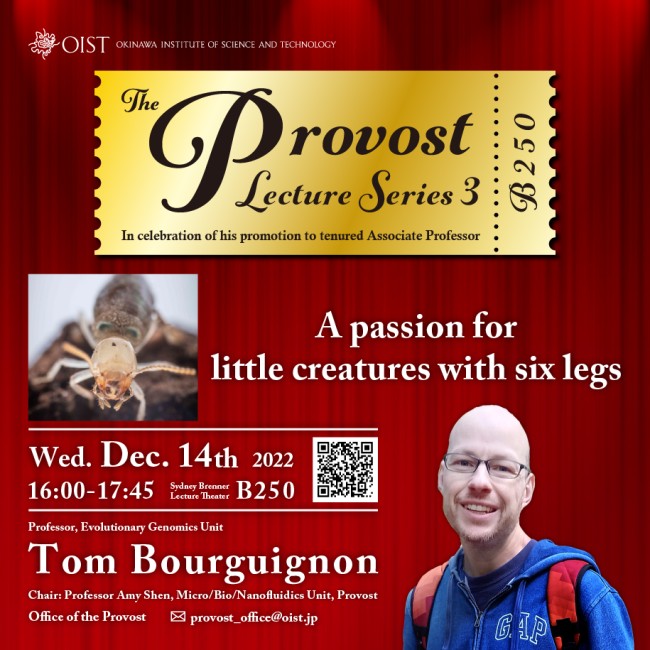
The Provost Lecture Series 3
Tom Bourguignon
Date: December 14, 2022
Title: A passion for little creatures with six legs
Speaker: Professor Tom Bourguignon, Evolutionary Genomics Unit
Abstract:
While many find insects repulsive, like many Japanese kids, I developed a passion for them. I first enjoyed collecting beetles until I settled to study cockroaches as an undergraduate student, especially their social forms, better known as termites. I brought this passion for bugs with me in Okinawa, and in this lecture, I will narrate the epic tale of termites. I will explain how they became one of the most abundant animal groups in terrestrial ecosystems and how their world is now threatened by human activities. I hope this lecture will convince you that cockroaches (and insects in general) are not creepy but wonderful little creatures.
Chair: Professor Amy Shen, Micro/Bio/Nanofluidics Unit, Provost
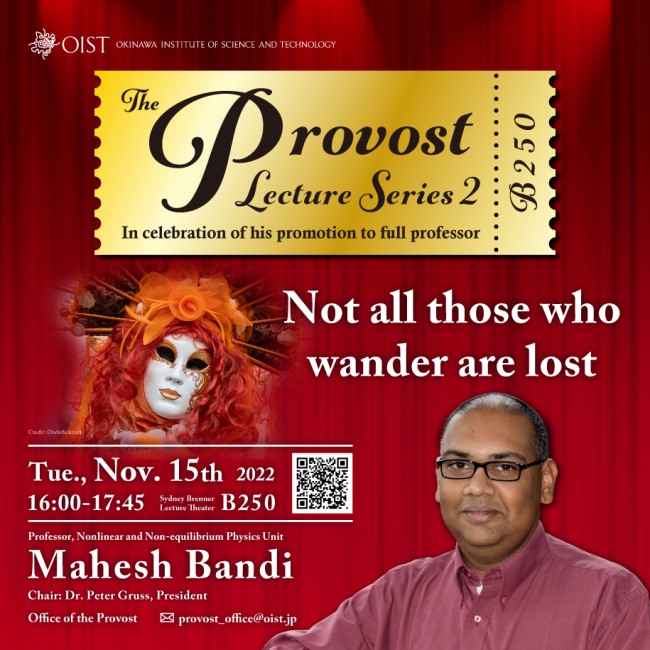
The Provost Lecture Series 2
Mahesh Bandi
Date: November 15, 2022
Title: Not all those who wander are lost
Speaker: Professor Mahesh Bandi, Nonlinear and Non-equilibrium Physics Unit
Abstract:
People often find my research style confusing because they can’t bin me in a specific field. When asked about my specialty, I often joke that I work in “Doesn’t Matter Physics” as it chimes with Condensed Matter Physics. More seriously though, I see Physics as the Art of Approximations that provides a general bag of tools to think about many things beyond the field’s core questions. As an exemplar, I’ll discuss pandemic related experimental work when we manufactured N95 masks with cotton candy machines, or electrocharged them with homemade plasma sources, and if time permits, I'll go beyond these two. The talk will be accessible to a broad, even non-scientific audience. Intuition from everybody’s commonplace experience will guide us to the solutions with minimal reliance on theory.
Chair: Dr. Peter Gruss, President
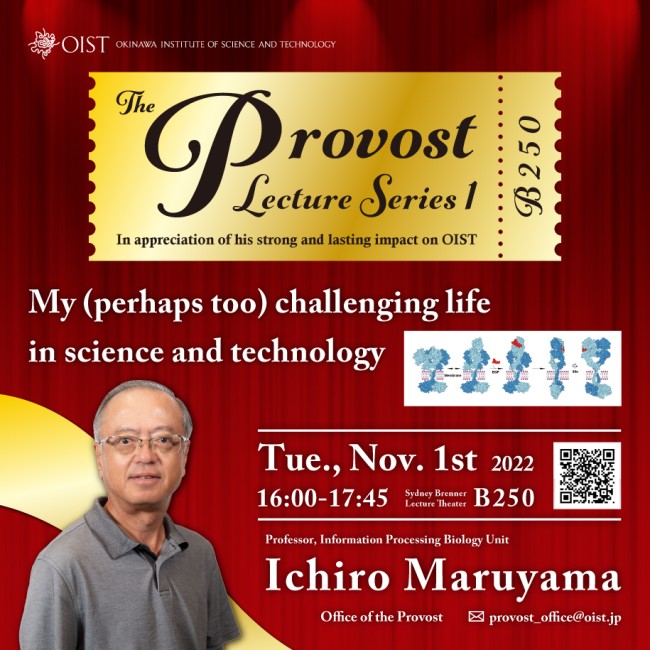
The Provost Lecture Series 1
Ichiro Maruyama
Date: November 1, 2022
Title: My (perhaps too) challenging life in science and technology
Speaker: Professor Ichiro Maruyama, Information Processing Biology Unit
Abstract:
In this inaugural lecture of Provost Lecture Series initiated by Amy Shen, I will look back my life in science and technology, which I hope to give some (good and bad) hints for young people on how to spend their lives in science and technology.
As a founding member in four places in four different countries including in OIST, I have continued to challenge scientific dogmas with a number of brave colleagues.
In 1983, I started my career as a postdoc in MRC Laboratory of Molecular Biology, Cambridge, UK, where we discovered gene amplification in germline cells of multicellular organisms, which is still a rare example in the field.
When Sydney Brenner, a founding president of OIST, initiated MRC Molecular Genetics Unit in Cambridge, UK in 1986, I started to buy everything including benches, shelves and machines as one of two members including Sydney. There we developed a surface display vector based on bacteriophage lambda for the expression of foreign proteins. Using the vector, we observed single molecules for the first time in history according to US biophysical society.
Then I made a trans-Atlantic journey from Cambridge, UK to La Jolla in Southern California, where then The Scripps Clinic and Research Foundation changed its name to The Scripps Research Institute (TSRI) by founding Department of Cell Biology. I was a founding member of the Department, and started a major challenge to a dogmatic model for mechanisms underlying activation of transmembrane cell-surface receptors.
I also made a trans-Pacific journey to Okinawa from California after spending three years at Biopolis in Singapore as a founding member of Genome Institute of Singapore.
Chair: Professor Ulf Skoglund, Structural Cellular Biology Unit
問合せ先: プロボストオフィス, Eメール: provost_office@oist.jp