Research in the Microbial and Ecosystem Ecology Unit currently has three main key questions:
Research
1. How does the difference in forest tree composition shape the soil microbial communities, thereby controlling biogeochemical cycling, especially soil carbon storage and greenhouse gas emissions?
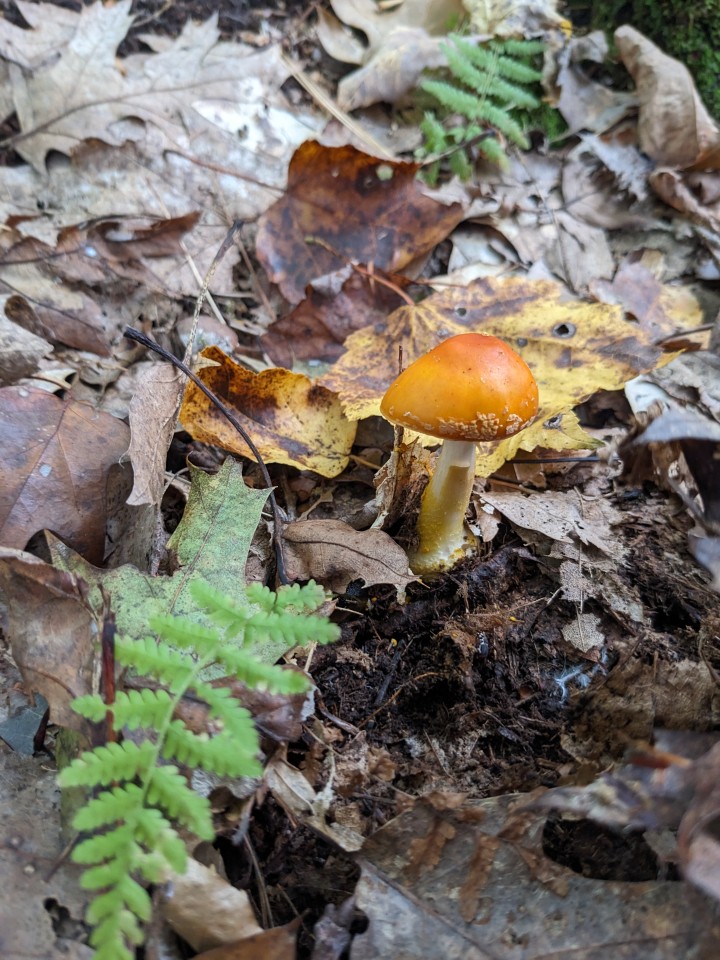
Forest trees and their critical root symbionts, mycorrhizal fungi, undergo alterations due to human activities such as land management, the introduction of invasive species, climate change, and pollution. These fungi play a significant role in nutrient cycling, because of their extensive soil biomass and remarkable capability for decomposition and nutrient transfer to host trees. Consequently, the type of mycorrhizal fungi in a forest has become a key factor in regulating the entire soil microbiome, affecting both free-living microbes and the overall capacity for biogeochemical cycling. Our objective is to explore the contextual dependency of mycorrhizal effects on a broad geological scale, clarify underlying mechanisms, and quantify the impact of forest mycorrhizal type on climate change. We are also very interested in exploring unique ectomycorrhizal fungal strategy associated with Southeast Asian tropical forests, about which information is still very limited. This will contribute to more precise estimates of C and N cycling based on forest mycorrhizal types or specific functional traits, enabling a new forest design and management strategy based on microbial mechanisms.
Related publications:
- Soil nitrogen cycling is determined by the competition between mycorrhiza and ammonia‐oxidizing prokaryotes
- Nitrogen uptake patterns of understory trees beneath ectomycorrhizal and non-ectomycorrhizal overstory trees
- Mycorrhizal type affects forest nitrogen availability, independent of organic matter quality
2. How do environmental changes impact the soil microbial communities and biogeochemistry, and what measures can be taken to mitigate the negative effects or promote recovery?
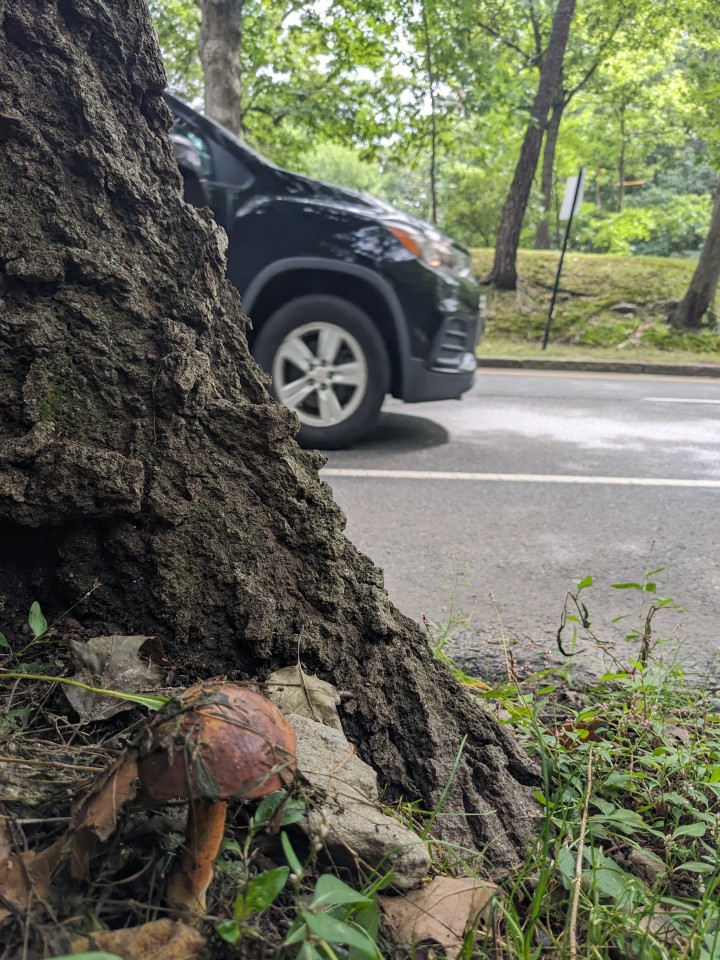
Our world is grappling with numerous environmental challenges, chief among them being ecosystem degradation, and the severity of these threats continues to escalate. Our research has been focusing on the effects of urbanization, urban land management, warming (including more frequent soil freeze-thaw cycles during the winter), and rainfall pattern changes on soil microbial communities and their functions. We have also explored potential management strategies to rejuvenate compromised soil microbial properties. For example, we’ve assessed restoration endeavors on degraded lands and evaluating nature-friendly agricultural practices, by examining the changes in soil microbial communities associated with these activities. Our objective is to study the effects of environmental changes and their mitigation activities on soil microbial communities and their role in biogeochemical cycling. We are excited to extend our research interests to the environmental changes facing Okinawa or Japan, such as more frequent typhoon disturbances, flooding events, exotic plant and animal invasions, and outbreaks of pine/oak diseases. We also maintain our ongoing interest in the effects of variations in urban land management. Our ultimate goal is to understand how to optimize the soil microbial communities to maintain plant health and mitigate further climate change.
Related publications:
- Urbanization and edge effects interact to drive mutualism breakdown and the rise of unstable pathogenic communities in forest soil
- Micro-catchment water harvesting-based rehabilitation ameliorated soil microbial abundance, diversity and function in a degraded dryland
- Natural farming diversifies resource-utilization patterns and increases network complexity in soil microbial community of paddy fields
3. How do soil microbiomes interact with other environmental microbiomes, particularly those essential to the health of plants and animals, which underpin our sustainable society?
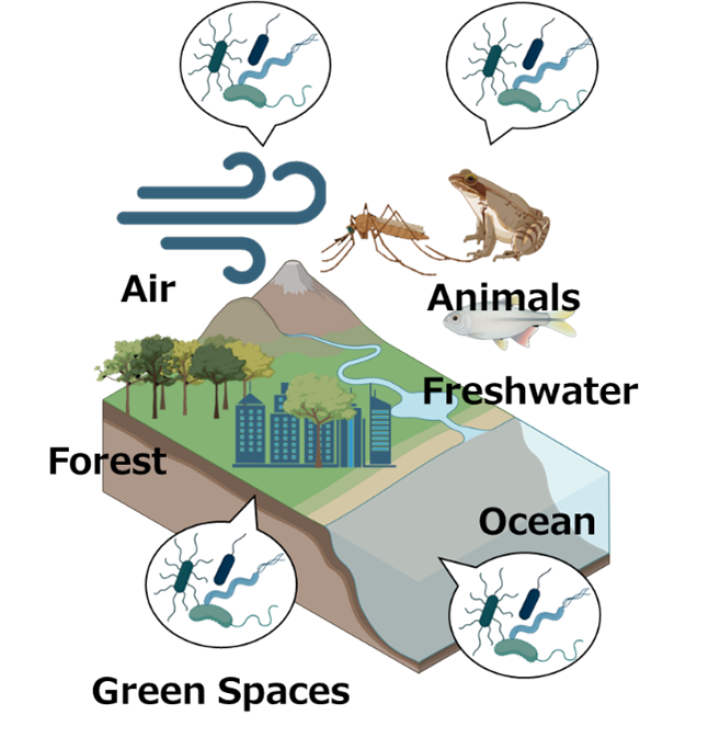
Microbiomes present across various habitats play a crucial role in the health of both plants and animals. These microbiomes are found in plant roots, and leaves, as well as in animals' gut, skin, and mouth, and the surrounding ambient air. However, the intricate interconnections among these diverse microbiomes and how changes in one, such as those occurring in soils due to global changes, can impact others, remain largely unexplored. It is also largely unknown how plants and animals acquire beneficial microbes from the environment and establish their own microbiomes. We aim to determine whether the population trends of beneficial or harmful microbes, when amplified in the soil microbiome due to global changes or management practices, are limited to the soil or extend throughout the entire ecosystem microbiome. We are also interested in exploring the interaction between terrestrial and aquatic microbiomes, as some soil microbes can migrate to the ocean through surface water (especially after flooding events), groundwater, and rivers.