


- Project team: Viktoras Lisicovas, Ashwani Sastry, Keshav M. Dani
- Host unit: Femtosecond Spectroscopy Unit
- Project duration: 1 May 2021 – 30 April 2023
- Keywords: Laser-Based Atherectomy System, Calcified Plaque Treatment, Minimally Invasive Endovascular Therapy
Fiber endcap device for enabling atherectomy with a femtosecond laser

Problem
Atherectomy is a procedure that uses minimally invasive techniques to clear blocked blood vessels. The removal of plaque is generally accomplished with either abrasive mechanical tools or nanosecond lasers - both of which have potential risks. Abrasive tools, with their sharp parts, can cause physical harm. Nanosecond laser-based devices are easier to use, however they rely on interplay of absorption properties of tissues with potentially harmful ultraviolet radiation. Treating highly calcified plaque with a nanosecond laser is particularly challenging as it requires very high power that could damage nearby tissue due to heat. Injury to blood vessels increases the chance of plaque returning after treatment. Hence, there is a pressing need for a safer and more efficient treatment method for calcified plaque in vascular diseases.
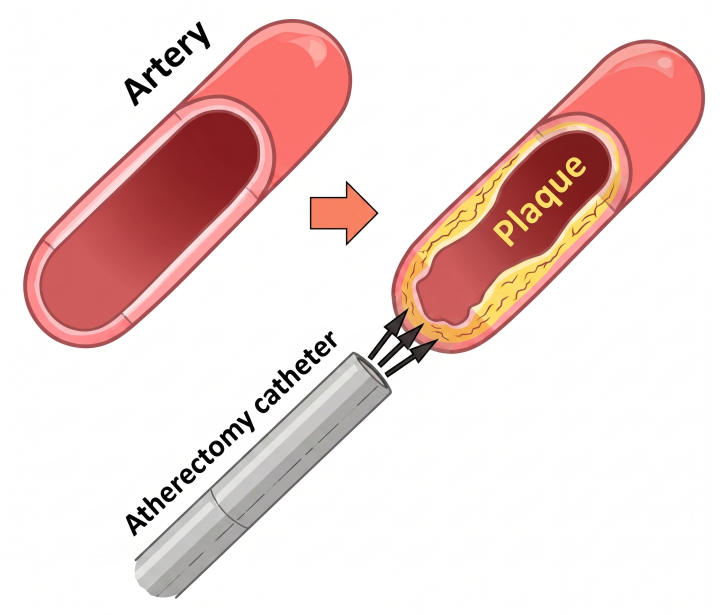
Figure 1. An atherectomy catheter is used to remove plaque.
Solution
Our team's solution to this problem is an innovative femtosecond laser-based atherectomy system. This system harnesses the power of femtosecond light ablation, which eliminates the need for abrasive mechanical parts or heat-generating nanosecond lasers, vastly reducing the risks associated with traditional methods. Subsequently, removal performance is enhanced, and thermal damage to surrounding tissues minimized. Furthermore, our technology employs near-infrared light instead of ultraviolet radiation. It thus offers greater biocompatibility and reduces potential complications. Overall result is mitigated inflammation, faster patient recovery times, and a lower risk of plaque recurrence.
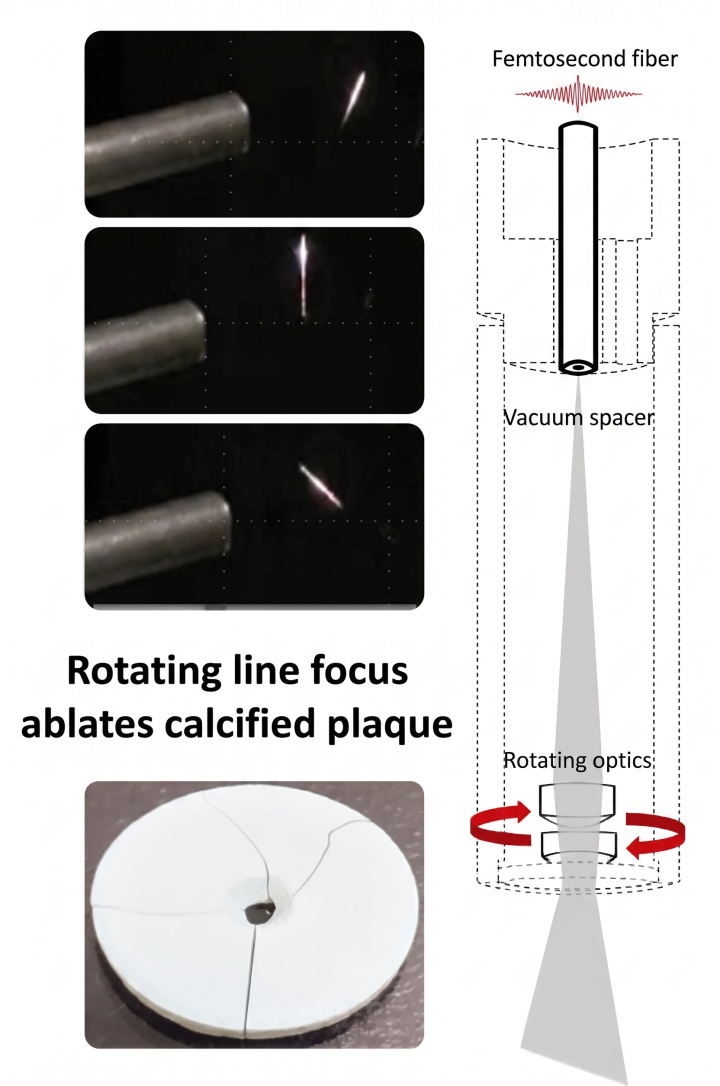
Figure 2. Our technology enables femtosecond laser ablation of plaque with a rotating line focus (patent pending).