


- Project team: Davide Califano, Amy Shen, Filip Husnik
- Host unit: Micro/Bio/Nanofluidics Unit; Evolution, Cell Biology, and Symbiosis Unit
- Project duration: 1 September 2023 – 31 August 2024
- Keywords: Sustainable food, Meat alternative, Microalgae, Functional Ingredient, Sensory Enhancement
Microalgae as a functional ingredient to enhance nutritional and sensory properties of meat analogues

Problem
Meat production raises pressing environmental and ethical concerns. Intensive livestock farming contributes significantly to climate change through greenhouse gas emissions and deforestation. In addition, ethical challenges arise from cramped and stressful conditions in factory farms, as well as the use of antibiotics and hormones. Addressing these issues requires a reevaluation of dietary choices and promotion of sustainable farming practices.
At present, the main commercialized meat alternatives are prepared using protein-rich legumes such as soybean, pea, and wheat. However, the extensive cultivation of protein-rich crops, poses environmental and ethical challenges due to soil degradation, utilization of pesticide, and deforestation. In addition, plant-based meat alternatives encounter low consumer acceptance because of poor sensory characteristics, and skepticism about nutritional value. Overcoming these barriers is crucial, as widespread adoption is pivotal for addressing environmental and ethical issues associated with traditional meat production.
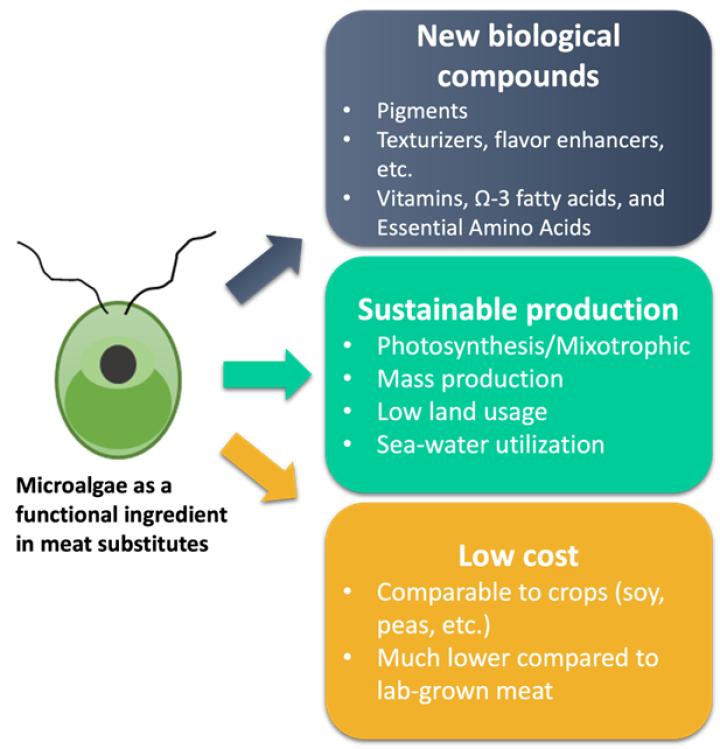
Figure 1. Schematic representation of microalgae advantages as Functional Ingredients for enhancing meat analogues.
Solution
Our technology involves the transformation of microalgae biomass into a viable functional ingredient in meat substitutes. Microalgae bring a rich source of nutrients and functional compounds, including pigments, proteins, omega-3 fatty acids, and vitamins, enhancing the sensory and nutritional profile of meat alternatives. Additionally, the sustainable cultivation of microalgae requires fewer resources compared to traditional protein-rich crops, contributing to environmental conservation. Incorporating microalgae into meat substitutes not only boosts nutritional value but also aligns with the growing demand for sustainable and meat-free food options, marking a positive stride towards healthier, eco-friendly alternatives.
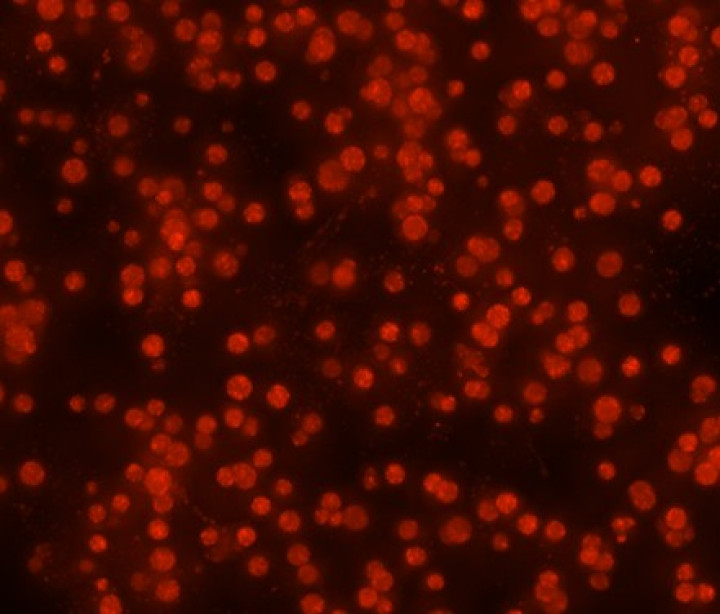
Figure 2. Microalgae autofluorescence emitted by cell clusters growing in a gel matrix.