26 February 2026
OIST and Keio University Celebrate Fourth Year of International Research Summer Camp

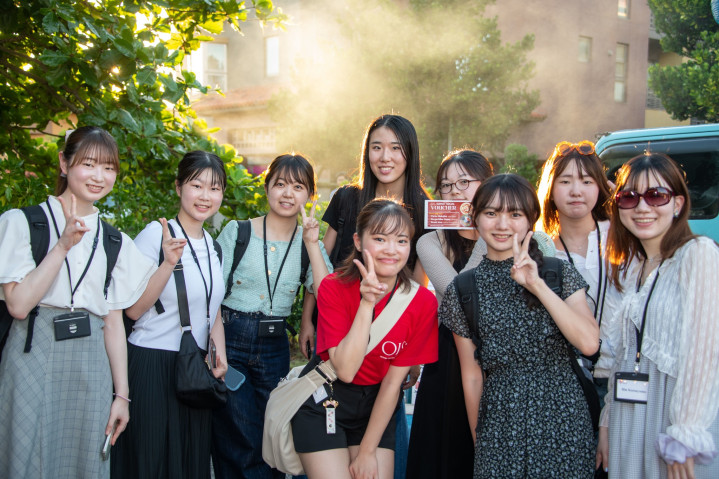
The Okinawa Institute of Science and Technology (OIST) hosted the fourth annual OIST-Keio International Research Summer Camp, welcoming 20 undergraduate students from Keio University’s School of Medicine for an immersive 10-day program. This initiative continues to strengthen academic ties between the two institutions while offering students a unique opportunity to experience cutting-edge research in a dynamic and collaborative environment.
Throughout the program, Keio students worked alongside OIST professors, researchers, and graduate students, contributing directly to ongoing laboratory projects. This hands-on experience allowed participants to explore advanced scientific techniques and gain insights into interdisciplinary research. The impact was clear: 90% of the students expressed interest in returning to OIST as research interns or PhD students, highlighting the program’s success in inspiring future scientists.
The summer camp was designed not only to foster academic development but also to broaden cultural and personal perspectives. Students engaged in a variety of scientific, recreational, and cultural activities that showcased Okinawa’s rich heritage and environmental significance.
Highlights included:
- Snorkeling excursions to study coral ecosystems and understand the effects of global warming.
- A new botanical activity where students touched and smelled Okinawan plants, deepening their appreciation for local biodiversity.
- Fieldwork and museum visits as part of the “Okinawa’s History and War” lecture, complemented by learning phrases in Uchinaaguchi, the Okinawan language.
- Traditional experiences such as craft-making, sanshin classes, and witnessing an Eisaa performance, alongside new additions like Haarii boat racing.
These activities provided a holistic view of Okinawa, blending science with culture and history.
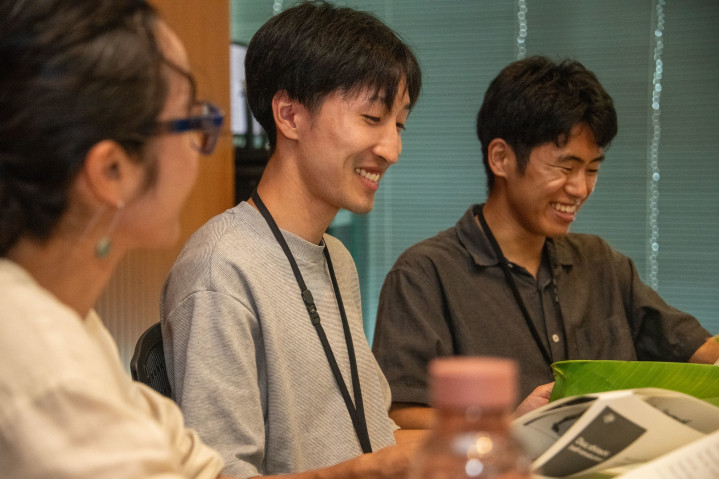
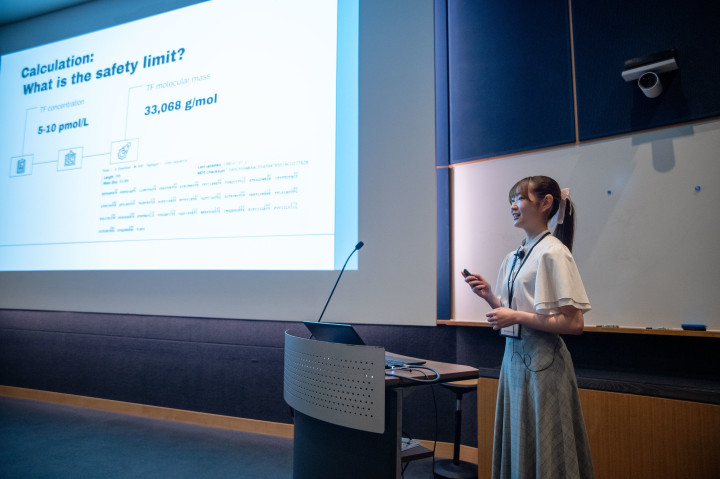
Recognizing the importance of effective communication in science, OIST hosted a flash talk workshop to prepare students for delivering concise English presentations. The session emphasized asking meaningful questions, seeking advice, and connecting with audiences—skills essential for global collaboration.
A standout feature of this year’s camp was the introduction of “Shifting Mindsets and Opening Possibilities,” a class led by Brandon Conlon. Voted the most popular session by participants, this workshop focused on resilience and adaptability, empowering students to approach challenges with confidence throughout the program.
The OIST-Keio International Research Summer Camp has grown into a cornerstone of collaboration between the two institutions. By combining rigorous scientific training with cultural exploration, the program nurtures future leaders in medicine and science while fostering international partnerships.
As the camp enters its fifth year, OIST looks forward to welcoming more students and expanding opportunities for cross-cultural learning and scientific discovery.