The Intersectional Feminists of OIST (IF OIST) club aims to create a safe space to talk about topics related to harassment, inequality and discrimination,especially around gender, in a vulnerable way and to accompany, lift each other up, and honor each other's experiences. Furthermore, the IF OIST club also aims to create initiatives to promote gender equality and to harness a richer and more respectful campus culture.
Membership
The process of joining the club begins with contacting the club via its official email or contacting existing members directly. People interested in joining the club must attend a meeting at least once, after which they will be provided with a copy of the bylaws and invited to the communication channel formalizing their membership.
Membership of the club means being able to attend and call for meetings, vote on initiatives and changes to the bylaws, and gaining access to the IF OIST Microsoft Teams page where regular updates are posted, and a record of meetings and events organized by the club are kept.
If a member would like to exit the group, they should email the official email address requesting to be removed from the group. They will lose access to the IF OIST Microsoft Teams page and will not be able to vote on club initiatives.
Members are considered inactive after one year without attending a meeting or after leaving OIST. Inactive members will still have access to the IF OIST Microsoft Teams page but will not be able to vote on club initiatives. Inactive members become active members after attending one meeting.
Bylaws
Please read the attached PDF with our club's Bylaws.
Symposium on Feminism and Intersectionality in Okinawa (FIO) 2025
[Japanese below 日本語版は下にスクロール]
FIO aims to create a platform for meaningful exchange between students, academics, artists, and community members from Okinawa. Grounded in diversity, equity, and inclusion, FIO seeks to foster communication frameworks that encourage engagement, innovation, and overall well-being across disciplines and communities. This unique gathering highlights emerging local and transoceanic networks shaped by Okinawan ways of knowing, relationships, and connections to the islands and oceans.
The program will feature four plenary dialogues with transoceanic voices alongside interactive workshops on Ryukyuan languages, care, justice, identity, and community resilience. Presentations and posters will foster undergraduate research, emerging and ongoing academic inquiries, and community-based initiatives vital to sustaining our lives and collective well-being.
FIO invites participants to engage with intersectional approaches to social justice, identity, and resilience from Okinawa to the world.
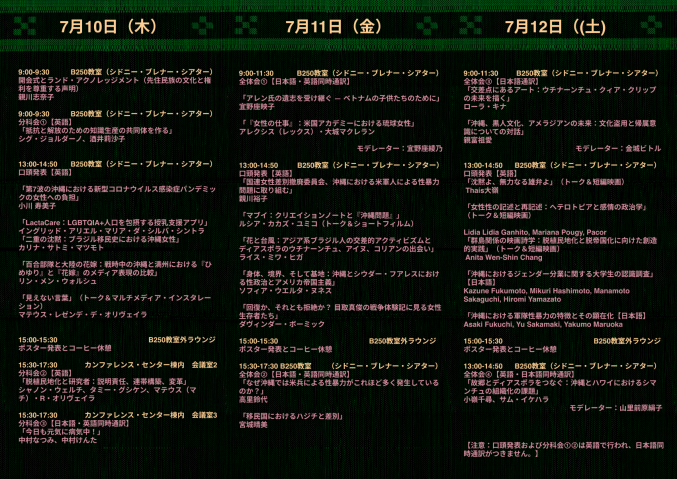
Date: July 10-12, 2025
Location: Okinawa Institute of Science and Technology (OIST), Okinawa (directions to OIST), B250 Sydney Brenner Theater.
Language: The symposium will be conducted primarily in English, with additional presentations in Ryukyuan and Japanese with Japanese interpretation provided for the plenary sessions.
Structure: FIO will have three components, including plenary dialogues, workshops, and presentation sessions.
Format: The symposium will be held primarily in-person, with plenary sessions in a hybrid format. Depending on demand and availability, we may consider additional options for hybrid presentations.
Who can register: Undergraduate and graduate students, academics, artists, and community members.
Registration fee: No registration fee required.
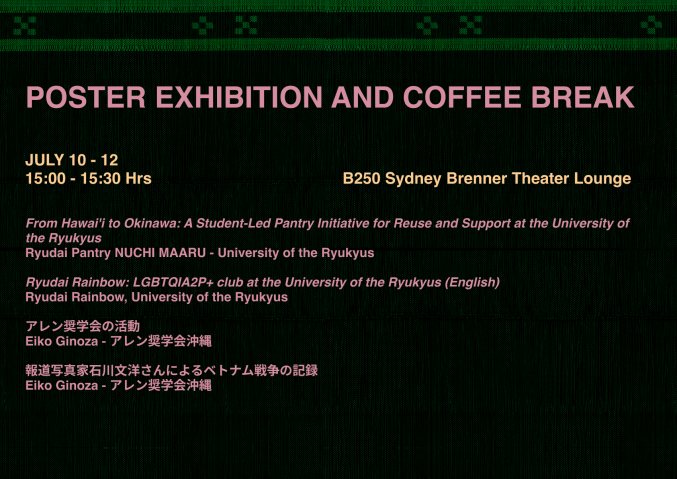
Organization and support:Ryudai Rainbow (University of the Ryukyus) and Intersectional Feminists of OIST
Anti-Harassment Policy:The symposium is committed to providing all participants a safe and inclusive environment. Harassment of any kind, including but not limited to discrimination based on race, gender, sexuality, nationality, religion, or political affiliation, the use of strong language, and any form of harmful or offensive behavior, will not be tolerated. Participants engaging in such behavior may be asked to leave the event. Additional guidelines are in the IF OIST Bylaws and OIST anti-harassment policies.
Program
Sensitive content in the program:violence, war, sexual assault, and harassment.
Four Plenary dialogues: The plenary session will feature talks by two invited Okinawan speakers, followed by a moderated discussion with participants (Q&A). Japanese interpretation will be provided.
Workshops:Workshops will consist of an interactive session led by two or three invited speakers with a limited number of participants.
Presentations:Registered participants may present their work as a talk (10min +3 min of Q&A) or a poster presentation (A0 portrait or smaller). Please submit an abstract (300-400 words) in English using the registration link below.Presentations may be delivered in Ryukyuan, Japanese, or English; however, due to limited resources and time constraints, we are unable to guarantee translation services. We will make every effort to group presentations by language. To support broader accessibility and inclusivity, we kindly ask all presenters to include English, at least partially, in their posters and presentation slides, regardless of the primary language used. We will share Zoom links for the plenary dialogues and talks. Participation in the workshops and poster sessions will be in-person only (certificates will be available upon request). Additional information will be sent to the registered participants.
Types of presentations:
Academic research on gender, sexuality, indigeneity, and intersectional issues related to race, nation, class, language, ethnicity, ability, education, age, etc.
Artistic works reflecting feminist or intersectional perspectives, including visual arts, performances, and multimedia projects.
Community-based projects focused on social justice and equality in Okinawa and beyond.
Research in STEM (science, technology, engineering, and mathematics) that is communicated in clear and inclusive ways to engage diverse audiences and community members, and that reflects on how the work contributes to the symposium’s aim of cultivating communication frameworks that foster engagement, innovation, and overall well-being in Okinawa.
Submission Deadline: May 31Extended until June 25 or until the presentation spots are filled. Notification of acceptance will be sent within one week of the abstract submission.
Land Acknowledgment - July 10, 9:00 to 9:30 AM
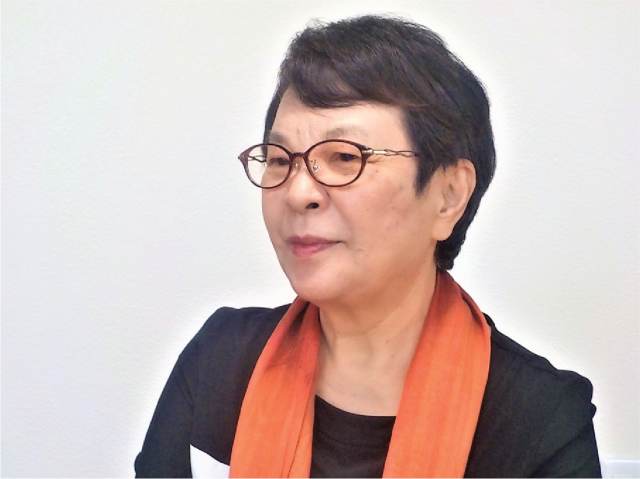
Shinako Oyakawa is a part-time lecturer at Okinawa University and co-chair of the Association of Comprehensive Studies for Independence of the Lew Chewans (ACSIL).
Plenary dialogues
Plenary 1 - July 11, 9:30 to 11:30 AM
Eiko Ginoza and Lex McClellan-Ufugusuku
Moderator: Ayano Ginoza
Ayano Ginoza is an Associate Professor at the Research Institute for Islands and Sustainability, University of the Ryukyus. She holds a Ph.D. in American Studies with a focus on gender studies. Her research explores gender, postcolonialism, and indigeneity.
Carrying on Mr. Allen’s Legacy — For the Children of Vietnam
Eiko Ginoza: "Allen Foundation was established in 2010, carrying on the work of Mr. Allen, a former U.S. Marine and Vietnam War veteran. He enlisted at the age of 18 to escape poverty and racial discrimination. He trained in Okinawa and was sent to the front lines of the Vietnam War at 19. We first met during the 1995 incident involving the assault of a young girl. When he came to Okinawa, he spoke to high school students in my class. He shared how he had taken many lives during the Vietnam War, and how a particular experience in a Vietnamese air-raid shelter forever changed his life—witnessing a woman give birth. “A baby was born into my hands from the body of a young woman. At that moment, I vowed never to kill another human being again,” he said. After this confession, he gave over 1,200 “No War” lectures across the country, continually speaking about the horrors of war and the preciousness of peace. However, in 2009, he developed an illness believed to be caused by exposure to Agent Orange. When we visited his hospital room in New York with treatment funds collected from across Japan, he said, “I have killed everything that moved. So please use this money for the children in Vietnam.” In honor of his wishes, the following year, after his passing, we established a scholarship program in 2010. Over the past 15 years, we have provided scholarships to 1,400 students. To mark the 15th anniversary, we conducted a peace education study tour in Vietnam with a group of 21 participants, including students. As wars rage around the world and military buildup continues in Okinawa, we are reminded of the words of war photojournalist Bunyo Ishikawa, who accompanied us: “To prevent war, it is essential to understand its horrific reality.” In Vietnam, we met Mr. Nguyen Duc, born with severe disabilities due to Agent Orange exposure as a conjoined twin. He now works at Tú Sĩ Hospital. By sharing his story, we hope to reflect with all of you on how we can build a world of peace together."
Eiko Ginoza was born in 1947 and entered International Christian University in 1965. Beginning in 1980, she worked as an English teacher at Hokubu Technical High School, and later taught at Ginoza High School, Ishikawa High School, Gushikawa Commercial High School, and Mirai Technical High School. Throughout her teaching career, she was deeply committed to peace education, collaborating with students on projects such as the film The Hinomaru and Kimigayo Issue and stage productions including The Miyamori Elementary School U.S. Military Plane Crash Incident, The Comfort Women Issue, and The Battle of Okinawa. One particularly notable project was Stage for Peace (2000), a performance developed at Yokatsu High School based on student fieldwork on the Battle of Okinawa. The production integrated a range of expressive forms such as traditional Okinawan drumming, bōjutsu, Ryukyuan dance, modern dance, and poetry reading, and was collaboratively created and performed by the students. In 2003, eight students from Yokatsu High School were invited by Professor Betty Reardon, then Director of the Peace Education Center at Teachers College, Columbia University, and a globally renowned leader in peace education, to perform Stage for Peace at Columbia University in New York. Currently, Ginoza serves as the representative of the Allen Scholarship Okinawa, where she devotes her efforts to supporting scholarship programs for children in Vietnam. Over the past 15 years, the foundation has awarded scholarships to more than 1,400 students. In recognition of this work, the Allen Scholarship Okinawa received the Okinawa Times Prize in 2024.
Eiko Ginoza was born in 1947 and entered International Christian University in 1965. Beginning in 1980, she worked as an English teacher at Hokubu Technical High School, and later taught at Ginoza High School, Ishikawa High School, Gushikawa Commercial High School, and Mirai Technical High School. Throughout her teaching career, she was deeply committed to peace education, collaborating with students on projects such as the film The Hinomaru and Kimigayo Issue and stage productions including The Miyamori Elementary School U.S. Military Plane Crash Incident, The Comfort Women Issue, and The Battle of Okinawa. One particularly notable project was Stage for Peace (2000), a performance developed at Yokatsu High School based on student fieldwork on the Battle of Okinawa. The production integrated a range of expressive forms such as traditional Okinawan drumming, bōjutsu, Ryukyuan dance, modern dance, and poetry reading, and was collaboratively created and performed by the students. In 2003, eight students from Yokatsu High School were invited by Professor Betty Reardon, then Director of the Peace Education Center at Teachers College, Columbia University, and a globally renowned leader in peace education, to perform Stage for Peace at Columbia University in New York. Currently, Ginoza serves as the representative of the Allen Scholarship Okinawa, where she devotes her efforts to supporting scholarship programs for children in Vietnam. Over the past 15 years, the foundation has awarded scholarships to more than 1,400 students. In recognition of this work, the Allen Scholarship Okinawa received the Okinawa Times Prize in 2024.
“Women’s work:” Ryukyuan Women in the U.S. Academy
In this informal talk, Lex will showcase the work of Ryukyuan women who are researching and teaching about Okinawa in the United States. The field of Okinawan Studies in English has two distinctly hetero-patriarchal starting points: European and American naval officer’s travel diaries from the 1800s, and American military intelligence beginning in World War Two. Okinawan Studies was dominated by these viewpoints for decades, but what does a modern Critical Ryukyuan Studies look like today? What topics are winagu being draw to? And what roles are shikkee nu Ruuchuunchu winagu playing in re-shaping the field? This talk will give a short introduction to the works of Annmaria Shimabuku, Wendy Matsumura, Jane Yamashiro, Mitzi Uehara Carter, and Laura Kina, and will talk about how winagu are claiming space in today’s Critical Ryukyuan Studies.
Alexyss (Lex) McClellan-Ufugusuku (マクレラン—大城アレキサス; she/her) is a UC President’s Postdoctoral Fellow in History at the University of California, San Diego. She is shikkee nu Uchinaanchu through her mother and traces her roots to Tsukazan village in Haebaru and Shitahaku in Kochinda. During her graduate work at the University of California Santa Cruz, Lex taught courses on modern Ryukyuan history, Japanese Empire history, and U.S. military empire in the Pacific and Asia. In her spare time, Lex is the Head Coach of the UC Santa Cruz Women’s Lacrosse team and helps create social media content for the instagram conglomerate “Yubun,” which is committed to producing educational content by Ryukyuans for Ryukyuans in the four languages that Ryukyuans most commonly speak: Spanish, Portuguese, English, and Japanese.
Alexyss (Lex) McClellan-Ufugusuku (マクレラン—大城アレキサス; she/her) is a UC President’s Postdoctoral Fellow in History at the University of California, San Diego. She is shikkee nu Uchinaanchu through her mother and traces her roots to Tsukazan village in Haebaru and Shitahaku in Kochinda. During her graduate work at the University of California Santa Cruz, Lex taught courses on modern Ryukyuan history, Japanese Empire history, and U.S. military empire in the Pacific and Asia. In her spare time, Lex is the Head Coach of the UC Santa Cruz Women’s Lacrosse team and helps create social media content for the instagram conglomerate “Yubun,” which is committed to producing educational content by Ryukyuans for Ryukyuans in the four languages that Ryukyuans most commonly speak: Spanish, Portuguese, English, and Japanese.
Plenary 2 - July 11, 3:30 to 5:30 PM
Suzuyo Takazato and Harumi Miyagi
Moderator: Chihiro Komine
Why does Okinawa have so many cases of sexual violence committed by U.S. soldiers?
Takasato Suzuyo was born in 1940. She served as a Naha City Council member for four terms (15 years) from 1989. She is currently co-chair of the "Okinawan Women Act Against Military Violence" and Okinawa representative of the "International Women's Network Against Militarism". She was previously the representative of the "Rape Emergency Intervention Counseling Center-Okinawa (REICO)". She is also the co-chair of the "All Okinawa Coalition Against Construction of New Base in Henoko" and author of "Okinawa no Onna tachi - Naval Bases, Military and Women's Human Rights" (Akashi Shoten, 1996). Co-author of "Sexual Violence and Militarism in Okinawa" (edited by Tomisaka Christian Center, 2017, Ochanomizu Shobo).
Takasato Suzuyo was born in 1940. She served as a Naha City Council member for four terms (15 years) from 1989. She is currently co-chair of the "Okinawan Women Act Against Military Violence" and Okinawa representative of the "International Women's Network Against Militarism". She was previously the representative of the "Rape Emergency Intervention Counseling Center-Okinawa (REICO)". She is also the co-chair of the "All Okinawa Coalition Against Construction of New Base in Henoko" and author of "Okinawa no Onna tachi - Naval Bases, Military and Women's Human Rights" (Akashi Shoten, 1996). Co-author of "Sexual Violence and Militarism in Okinawa" (edited by Tomisaka Christian Center, 2017, Ochanomizu Shobo).
Hajichi and Discrimination in Immigrant Countries
Hajichi was once a custom among Ryukyu women. It is a tattoo that draws various patterns on the back of both hands. It was already mentioned in historical records in the 1500s. The reason for "hajichi" is said to be a coming-of-age ceremony linked to marriage, but after the Satsuma invasion of Ryukyu in 1609, many testimonies say that "it made the hands ugly so that they would not be taken away by Yamato." However, even after Ryukyu became Okinawa Prefecture in 1879, "hajichi" did not stop, and the Japanese government applied the criminal law as a barbaric custom, and from 1899, both those who performed "hajichi" and those who were subjected to it were charged with a crime. In the 1900s, when overseas immigration became popular, there were cases of women being forcibly deported because of "hajichi," and women being discriminated against in Japanese communities in Hawaii, Brazil, and the Philippines because of their Okinawan hairstyles and clothing.
Harumi Miyagi was born in 1949 and she is an Okinawa women's historian. As a Naha city employee, she was responsible for editing "Naha Women's History" (pre-modern, modern, and postwar editions) and "Naha City History". After retiring, she worked as a part-time lecturer at Okinawa University, University of the Ryukyus, Okinawa International University, and other institutions (taught gender theory, Okinawan modern and contemporary women's history, etc.). She is a member of the "Okinawan Women Act Against Military Violence". She created a timeline of sexual crimes committed by U.S. soldiers against women in postwar Okinawa. She published "Okinawa Prefecture History: Women's History" at the New Okinawa Prefecture History Editorial Committee. She is currently the chairman of the New Okinawa Prefecture History Editorial Committee.
Harumi Miyagi was born in 1949 and she is an Okinawa women's historian. As a Naha city employee, she was responsible for editing "Naha Women's History" (pre-modern, modern, and postwar editions) and "Naha City History". After retiring, she worked as a part-time lecturer at Okinawa University, University of the Ryukyus, Okinawa International University, and other institutions (taught gender theory, Okinawan modern and contemporary women's history, etc.). She is a member of the "Okinawan Women Act Against Military Violence". She created a timeline of sexual crimes committed by U.S. soldiers against women in postwar Okinawa. She published "Okinawa Prefecture History: Women's History" at the New Okinawa Prefecture History Editorial Committee. She is currently the chairman of the New Okinawa Prefecture History Editorial Committee.
Plenary 3 - July 12, 9:30 to 11:30 AM
Laura Kina and Ai Oyafuso
Moderator: Victor Kinjo
Victor Kinjo is an Ryukyuan-Brazilian artist, researcher and producer. He holds a PhD in Social Sciences at the University of Campinas with a focus on arts, queer and decolonial studies. He was a post-doc at the University of São Paulo Institute of Advanced Studies and a visiting scholar at the New York University Tisch School of the Arts. He is currently a member of the Ryukyu Delegation at the UN Permanent Forum on Indigenous Issues and the coordinator of the Arts Working Group at the Brazilian Network for Planetary Health.
Art at the Intersections: Painting Uchinanchu Queer Crip Futures (online)
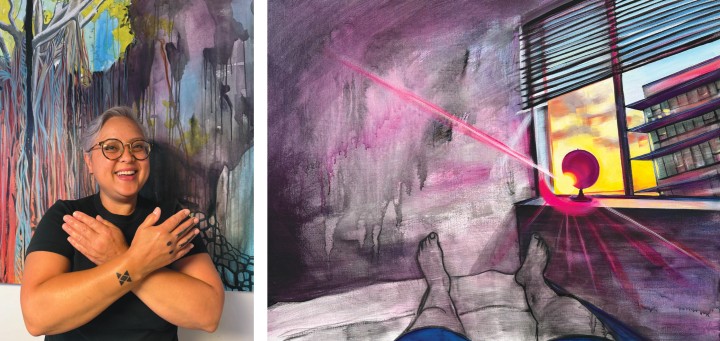
Laura Kinawill share how her recent paintings and collaborative publications build intersectional Asian American and Uchinanchu diaspora communities while advocating for disability justice, LGBTQIA+, and indigenous futures. Kina’s 2023 painting series “Over the Rainbow, One More Time,” traces her journey of surviving breast cancer, divorce, and coming out as queer during the COVID-19 pandemic. Her 2025 coedited illustrated cookbook Word of Mouth: Asian American Artists Sharing Recipes features recipes, stories, and artwork from 23 Asian American artists.
Laura Kina (she/they) is a queer, disabled, mixed-race Okinawan American artist and educator whose work focuses on Asian American art and identity. Kina earned her BFA from the School of the Art Institute of Chicago and her MFA from the University of Illinois at Chicago. She is a Vincent de Paul Professor at the Art School at DePaul University in Chicago and coeditor of War Baby / Love Child: Mixed Race Asian American Art and Queering Contemporary Asian American Art and the illustrator of Lee A. Tonouchi’s award-winning children’s book Okinawan Princess: Da Legend of Hajichi Tattoos. IG @laura.kina www.laurakina.com
Laura Kina (she/they) is a queer, disabled, mixed-race Okinawan American artist and educator whose work focuses on Asian American art and identity. Kina earned her BFA from the School of the Art Institute of Chicago and her MFA from the University of Illinois at Chicago. She is a Vincent de Paul Professor at the Art School at DePaul University in Chicago and coeditor of War Baby / Love Child: Mixed Race Asian American Art and Queering Contemporary Asian American Art and the illustrator of Lee A. Tonouchi’s award-winning children’s book Okinawan Princess: Da Legend of Hajichi Tattoos. IG @laura.kina www.laurakina.com
Okinawa, Black Culture, and the Future of Amerasians: Conversations on Cultural Appropriation and Belonging
In this talk, Ai will explore two interconnected themes: cultural appropriation and the future of Okinawan Amerasians. In the first part, Ai will discuss how both Okinawan and Black cultures are frequently appropriated—commercialized, distorted, and disconnected from their roots—and how that impacts local communities and identities. In the second half, Ai will reflect on the evolving identity of Okinawan Amerasians, informed by Ai’s own experiences as a mother and a woman of mixed heritage. What does it mean to belong in a place marked by both U.S. military presence and indigenous resistance? And how can we create spaces for Amerasian children to grow with pride, agency, and connection?
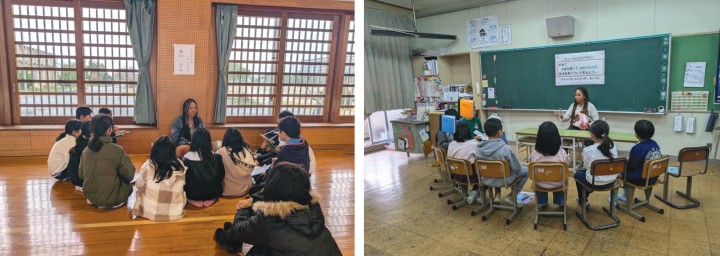
Ai Oyafuso is a mother of four, an artist, educator, and human rights advocate based in Okinawa, Japan. For over a decade, Ai has been creating clothing and art rooted in natural dyeing traditions of the Ryukyu Islands. At the same time, Ai has been active in social justice work, particularly around racial justice and the Black Lives Matter movement. Ai’s work often centers around storytelling—whether through fabric, ZINES, or school visits - where Ai teaches children about racism, respect, and empathy. As a mixed-race woman born to a former U.S. serviceman and raised in Okinawa, Ai’s perspective is shaped by the layered histories of colonization, military presence, and identity in the region.
Ai Oyafuso is a mother of four, an artist, educator, and human rights advocate based in Okinawa, Japan. For over a decade, Ai has been creating clothing and art rooted in natural dyeing traditions of the Ryukyu Islands. At the same time, Ai has been active in social justice work, particularly around racial justice and the Black Lives Matter movement. Ai’s work often centers around storytelling—whether through fabric, ZINES, or school visits - where Ai teaches children about racism, respect, and empathy. As a mixed-race woman born to a former U.S. serviceman and raised in Okinawa, Ai’s perspective is shaped by the layered histories of colonization, military presence, and identity in the region.
Plenary 4 - July 12, 3:30 to 5:30 PM
Chihiro Komine and Sam Ikehara
Moderator:Kinuko Maehara Yamazato
Kinuko Maehara Yamazato is an Associate Professor in the Faculty of Global and Regional Studies at the University of the Ryukyus. She received a Ph.D. in Sociology from University of Hawai‘i at Mānoa. Her research focuses on migration and diaspora studies, with particular attention to the U.S. Occupation of Okinawa, transnational communities, and life stories.
Bridging Homeland and Diaspora: The Challenges of Shimanchu Organizing Between Okinawa and Hawai’i
In this talk, Chihiro and Sam will share their experiences working together in and across Hawaiʻi and Okinawa in struggles for demilitarization and decolonization. Their focus will be on the messy and sticky inevitabilities of working between homeland and diaspora, resisting the impulse to solely romanticize a shared history, but honestly confronting differences and how both of their distinct responsibilities are necessary in the struggle for justice for Okinawa and other Indigenous land and waters. How do we navigate intergenerational tensions? What patriarchal structures have prevented and continue to prevent women’s participation and leadership in movement spaces? What transnational lessons can we learn from our distinct, yet interrelated struggles? What kinds of foundations do we need to build to sustain this generational work, and how do we do so? While they cannot promise any definitive answers, Chihiro and Sam will share from their own positions from the homeland and diaspora, respectively, what they have learned from their own journeys and their work together.
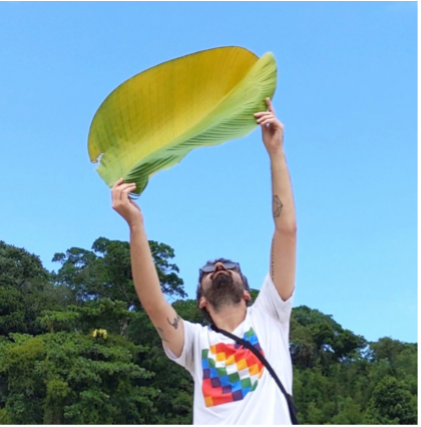
Born and raised on Oʻahu, Sam Ikehara's research and activism emerge from her family's histories and experiences across multiple wars and empires in the Pacific Ocean, particularly the U.S. military occupations of Hawaiʻi and Okinawa. She advances her commitment to international solidarity through her work with the Hawaiʻi Okinawa Alliance (HOA) and Women's Voices, Women Speak, and the Hawaiʻi chapter of the International Women's Network Against Militarism. Starting in Fall 2025, she will be an Assistant Professor of American Studies at the University of Hawaiʻi at Mānoa.
Born and raised on Oʻahu, Sam Ikehara's research and activism emerge from her family's histories and experiences across multiple wars and empires in the Pacific Ocean, particularly the U.S. military occupations of Hawaiʻi and Okinawa. She advances her commitment to international solidarity through her work with the Hawaiʻi Okinawa Alliance (HOA) and Women's Voices, Women Speak, and the Hawaiʻi chapter of the International Women's Network Against Militarism. Starting in Fall 2025, she will be an Assistant Professor of American Studies at the University of Hawaiʻi at Mānoa.
Workshops
Workshop 1: Building collectives of knowledge production for resistance and liberation
July 10, 9:30-11:30
Sig Giordano and Risako Sakai
Democratic sciences, science shops, and the university
In their talk, Sig will introduce the idea of the feminist science shop as a means for using resources from the Western University in the interest of more democratic science. Sig will provide the historic rationale and feminist imagination and limitations of this model. The model itself merges social justice values with the Dutch model of the science shop which was instituted in the late 20th century as a way for communities outside of the university to direct research objectives and questions. Sig will share their own experiments from 2015-2019 with versions of the feminist science shop. Sig will conclude with questions about the possibilities and limitations of this model and approach in the current political climate, offering insights and provocations in conversation with concepts from Gesturing Towards Decolonial Futures collective and Abolition University studies.
Sig Giordano, PhD, is an activist-scholar working as an Associate Professor at Kennesaw State University in the United States specializing in feminist science studies in the Department of Interdisciplinary Studies. Dr. Giordano received their PhD in Neuroscience from Emory University in 2008 and worked as an ethics consultant at the Centers for Disease Control and Prevention (CDC) before returning to academia. Their areas of interest are the politics and ethics of science with a focus on critical science literacy and the democratization of science. They are the author of Labs of Our Own: Feminist Tinkerings with Science published this year.
Sig Giordano, PhD, is an activist-scholar working as an Associate Professor at Kennesaw State University in the United States specializing in feminist science studies in the Department of Interdisciplinary Studies. Dr. Giordano received their PhD in Neuroscience from Emory University in 2008 and worked as an ethics consultant at the Centers for Disease Control and Prevention (CDC) before returning to academia. Their areas of interest are the politics and ethics of science with a focus on critical science literacy and the democratization of science. They are the author of Labs of Our Own: Feminist Tinkerings with Science published this year.
Toward Decolonial Research: Centering Indigenous Methodologies and Community Collaboration
Risako's presentation illuminates the significance of Indigenous methodologies within the context of Okinawa/Lūchū, a region often regarded as part of Japan but historically an independent kingdom. Although the United Nations has urged Japan to recognize Okinawans as Indigenous in Japan, the Indigenous status of Okinawa is not widely acknowledged within Japan. Indigenous methodologies centralize Indigenous values and practices, stressing respect, reciprocity, and relational accountability. By amplifying Indigenous voices and lived experiences, research can contribute to resistance and liberation, instead of perpetuating objectification and victimization. Drawing on Indigenous and activist scholarship, this presentation highlights genuine community engagement, such as a research guideline produced by the Indigeneous community.
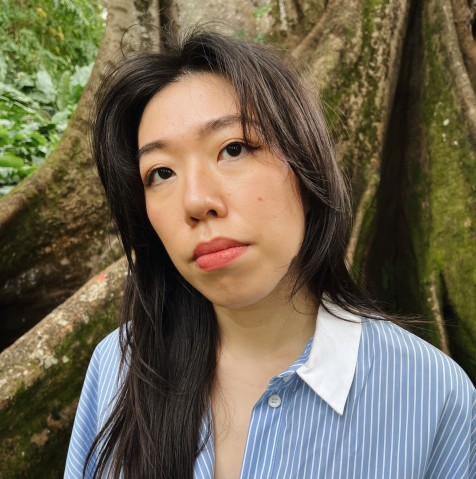
Risako is originally from Okinawa, JP. She is a PhD candidate in Applied Anthropology at Oregon State University, USA. Her dissertation is on marine conservation and Indigenous resurgence in Okinawa, applying decolonizing and Indigenous methodologies. She is currently back in Okinawa, working on her dissertation. She has collaborated with natural scientists in marine conservation projects pursuing trans-disciplinary approaches.
Risako is originally from Okinawa, JP. She is a PhD candidate in Applied Anthropology at Oregon State University, USA. Her dissertation is on marine conservation and Indigenous resurgence in Okinawa, applying decolonizing and Indigenous methodologies. She is currently back in Okinawa, working on her dissertation. She has collaborated with natural scientists in marine conservation projects pursuing trans-disciplinary approaches.
Workshop 2: Decoloniality and the Researcher: Accountability, Coalitions, and Transformation
July 10, 4-6 PM
Shannon Welch, Tamy Gushiken, and Mateus R. Oliveira
This workshop invites scholars to engage in critical self-reflection on their positionality within their research to consider their roles in contributing to decolonial transformations and articulations in research practices and societal structures. Through discussions on intersectionality, accountability, coalition-building, and decoloniality, we will explore our responsibilities as researchers, especially in the context of cultural and area studies.
Shannon Welch is a project researcher at Tokyo College, one of the University of Tokyo's Institutes for Advanced Study. Prior to this appointment, she received her PhD in Literature with a specialization in Critical Gender Studies from the University of California, San Diego in December 2022. Her research focuses on Japanese Brazilian and Okinawan Brazilian literatures, which she reads in the context of Japanese imperialism and Brazilian capitalist modernity with attention to questions of race, gender, sexuality, and coloniality.
Shannon Welch is a project researcher at Tokyo College, one of the University of Tokyo's Institutes for Advanced Study. Prior to this appointment, she received her PhD in Literature with a specialization in Critical Gender Studies from the University of California, San Diego in December 2022. Her research focuses on Japanese Brazilian and Okinawan Brazilian literatures, which she reads in the context of Japanese imperialism and Brazilian capitalist modernity with attention to questions of race, gender, sexuality, and coloniality.
Tamy Gushiken is a language lecturer at Kanda University of International Studies. She pursued design studies at the University of São Paulo and obtained her Master’s degree in sociology from Tokyo Metropolitan University. Through her research, she has primarily investigated religious and cultural practices prevalent among the Okinawan diaspora, with a specific focus on rituals of ancestor worship and tanomoshi/moai, a form of Rotating Savings and Credit Association (RoSCA). As part of her doctoral research, she has investigated the political participation of Brazilian residents in Japan. Her primary research interests encompass transnational migration, cultural practices, and political participation. Additionally, she also cultivates a special interest in editorial design and independent publications.
Tamy Gushiken is a language lecturer at Kanda University of International Studies. She pursued design studies at the University of São Paulo and obtained her Master’s degree in sociology from Tokyo Metropolitan University. Through her research, she has primarily investigated religious and cultural practices prevalent among the Okinawan diaspora, with a specific focus on rituals of ancestor worship and tanomoshi/moai, a form of Rotating Savings and Credit Association (RoSCA). As part of her doctoral research, she has investigated the political participation of Brazilian residents in Japan. Her primary research interests encompass transnational migration, cultural practices, and political participation. Additionally, she also cultivates a special interest in editorial design and independent publications.
Mateus (Machi) is a doctoral student at The University of Tokyo's Graduate School of Interdisciplinary Information Studies. He has training in Cultural and Gender Studies from his master's at Waseda University, where he researched the reality of queer individuals and the instrumentalization of DEI (Diversity, Equity and Inclusion) by corporations. In his current research, he focuses on the process of decoloniality within Japan, with an emphasis on Okinawa. He follows a Participatory Action Research approach through decoloniality, queerness, and Asia-Latin-America as methods. Together with his academic path, Mateus has also been working as a designer for the past seventeen years and has produced artworks that merge his research topics with hand-blown glass and technology.
Mateus (Machi) is a doctoral student at The University of Tokyo's Graduate School of Interdisciplinary Information Studies. He has training in Cultural and Gender Studies from his master's at Waseda University, where he researched the reality of queer individuals and the instrumentalization of DEI (Diversity, Equity and Inclusion) by corporations. In his current research, he focuses on the process of decoloniality within Japan, with an emphasis on Okinawa. He follows a Participatory Action Research approach through decoloniality, queerness, and Asia-Latin-America as methods. Together with his academic path, Mateus has also been working as a designer for the past seventeen years and has produced artworks that merge his research topics with hand-blown glass and technology.
Workshop 3: 「今日も元気に病気中!」: Neurodiversity and support
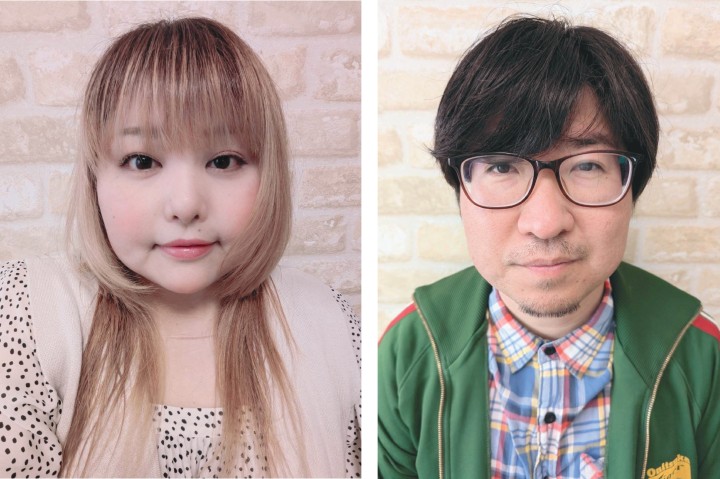
Natsumi Nakamura and Kenta Nakamura are a married couple living with mental illness. In the workshop, they will share cheerfully and sometimes seriously about difficulties in life and the best way to support people based on their own experiences. They will talk frankly about how they have lived and supported each other in society as people with gambling addiction and dissociative disorder. They will also touch on prejudice and misunderstandings about mental illness and how to interact with people around them, and hope to spend the time thinking about "a society where it is easier to live" with the participants.
Natsumi Nakamura (she/her) suffers from dissociative disorder. She currently lives in the local community while continuing outpatient treatment. She draws manga based on her own experiences, and her book 「今日も元気に病気中!」is on sale on Amazon.
Kenta Nakamura (he/him) met Natsumi while hospitalized in a closed psychiatric ward. He suffers from gambling addiction and depression, and his current hobbies are pachinko and slot machines. From April 2025, he will serve as the director of Social House Agora in Shuri, Naha City.
Natsumi Nakamura (she/her) suffers from dissociative disorder. She currently lives in the local community while continuing outpatient treatment. She draws manga based on her own experiences, and her book 「今日も元気に病気中!」is on sale on Amazon.
Kenta Nakamura (he/him) met Natsumi while hospitalized in a closed psychiatric ward. He suffers from gambling addiction and depression, and his current hobbies are pachinko and slot machines. From April 2025, he will serve as the director of Social House Agora in Shuri, Naha City.
Presentations (July 10, 11, and 12 13:00-15:30)
Opening invited talk (July 11, 13:00)
UN Committee on the Elimination of Discrimination Against Women Addresses Sexual Violence by U.S. Military Personnel in Okinawa
In October 2024, the United Nations Committee on the Elimination of Discrimination against Women expressed concern to the Japanese government over incidents of sexual violence committed by U.S. military personnel stationed in Okinawa and recommended that it “Take appropriate measures to prevent, investigate, prosecute and adequately punish perpetrators and to provide adequate reparations to the survivors of sexual and other forms of conflict-related gender-based violence against women and girls on Okinawa.”
From the perspective of international human rights law, including that of the Committee itself, there is a shared understanding that gender-based violence against women constitutes a form of discrimination against women. The Committee carefully examined reports submitted by various civil society organizations and, based on the Japanese government’s responses during the in-person review, concluded that the sexual violence committed by U.S. military personnel is a serious and urgent issue. Furthermore, the limitations on the detention of suspects under the Japan-U.S. Status of Forces Agreement (SOFA) have resulted in perpetrators not being properly held accountable. In other words, it can be said that there has been a failure to implement measures in line with the Women, Peace and Security (WPS) agenda.
In addition, the recent recommendations expressed concern that patriarchal and gender-discriminatory practices in Japanese society contribute to the perpetuation of sexual violence. Within the international community, there is a shared understanding that such violence has an even more severe impact on women and girls from vulnerable groups, including those who have faced discrimination based on descent, origin, or disability. Raising voices in protest against sexual violence committed by U.S. military personnel stationed in Okinawa aligns with this broader global concern. It is important to reflect on the efforts of civil society that led to the inclusion of this issue in the Concluding Observations and to reaffirm the significance of the recommendations.
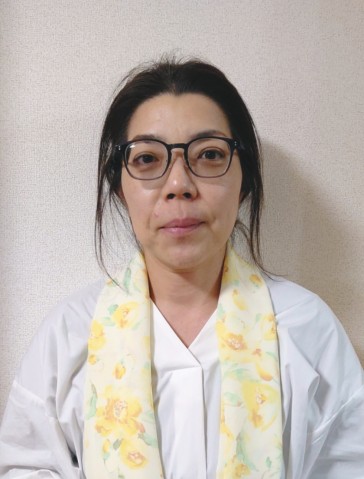
Yuko Oyakawa was born in 1975 in Ginowan City, Okinawa. She is currently the representative of Be the Change Okinawa and serves as an adjunct lecturer at Okinawa University, Okinawa International University, and Japan Women's University. Her research focuses on postwar Okinawan history and the history of Okinawan women, examined through the lens of gender, intersectional discrimination, and international human rights law.
Yuko Oyakawa was born in 1975 in Ginowan City, Okinawa. She is currently the representative of Be the Change Okinawa and serves as an adjunct lecturer at Okinawa University, Okinawa International University, and Japan Women's University. Her research focuses on postwar Okinawan history and the history of Okinawan women, examined through the lens of gender, intersectional discrimination, and international human rights law.
PDF of the talks abstracts
Sensitive content in the program:violence, war, sexual assault, and harassment.
Disclaimer: The views and material content of the presentations are not the responsibility of the symposium organizers.
ローラ・キナは、彼女の最新の絵画作品や出版活動を通して、アジア系アメリカ人およびウチナーンチュ・ディアスポラの交差的コミュニティを構築しながら、障害者の権利、LGBTQIA+、そして先住民族の未来を推進する方法について語ります。 2023年の絵画シリーズ『Over the Rainbow, One More Time』は、彼女がCOVID-19のパンデミック中に乳がん、離婚、そしてクィアとしてのカミングアウトを経験した軌跡を描いています。また、2025年出版予定のイラスト付き料理本『Word of Mouth: Asian American Artists Sharing Recipes』では、23人のアジア系アメリカ人アーティストのレシピ、ストーリー、アート作品が紹介されています。
ローラ・キナ(Laura Kina, she/they)は、クィアであり障害者であり、ミックス・レイス(複数の人種的ルーツを持つ人)でもある沖縄系アメリカ人アーティスト・教育者。アジア系アメリカ人のアートとアイデンティティに関する作品を制作。シカゴ美術館付属美術大学でBFA、イリノイ大学シカゴ校でMFAを取得。現在はデポール大学で教授を務めており、編著書に『War Baby / Love Child』や『Queering Contemporary Asian American Art』、また『沖縄プリンセス:ハジチの伝説』のイラストレーターとしても知られています。
サム・イケハラ(Sam Ikehara)は、オアフ島出身。彼女の研究と活動は、太平洋における戦争と帝国、特にハワイと沖縄における米軍占領の中での家族の歴史と経験から生まれています。ハワイ沖縄連帯ネットワーク(HOA)、Women's Voices Women Speak、国際反軍事主義女性ネットワーク(ハワイ支部)などの活動を通じて、国際連帯に尽力。2025年秋からハワイ大学マノア校のアメリカ学の助教授に就任予定です。
シグは講演の中で、西洋の大学の資源をより民主的な科学のために活用する手段として、「フェミニスト・サイエンス・ショップ(フェミニストな科学の店)」という構想を紹介します。シグは、このモデルの歴史的根拠、フェミニスト的な想像力、そして限界について論じます。このモデル自体は、社会正義の価値観と、20世紀後半に大学外にあるコミュニティが自ら研究目標や問いを方向付けるための方法として始められたオランダのサイエンス・ショップ(科学の店)モデルを融合させたものです。シグは、2015年から2019年にかけて、フェミニスト・サイエンス・ショップの様々な形態を用いて行った独自の実験について発表します。このトークの締めくくりには、現在の政治情勢におけるこのモデルとアプローチの可能性と限界について問いかけ、Gesturing Towards Decolonial Futures(「脱植民地的な未来に向かってジェスチャーする」)コレクティブやAbolition University Studies(奴隷制度廃止論の立場からの批判的大学研究)から生まれた様々な概念との対話を通して、洞察と挑発を提供します。
シグ・ジョルダーノ(Sig Giordano, they/them)博士は、活動家・研究者であり、現在は米国ケネソー州立大学の学際研究科でフェミニスト科学研究を専門とする准教授として働いています。ジョルダーノ博士は2008年に米エモリー大学で神経科学の博士号を取得し、米国疾病対策センター(CDC)で倫理コンサルタントとして勤務した後、アカデミアに戻りました。ジョルダーノ博士の関心分野は科学の政治と倫理であり、特に批判的科学リテラシーと科学の民主化に重点を置いています。今年出版された書籍『Labs of Our Own: Feminist Tinkerings with Science』(『自分たちのラボ:フェミニストな科学の試行錯誤』)の著者でもあります。
マテウス(マチ/Mateus R. Oliveira)は、東京大学大学院学際情報学府の博士課程在籍。早稲田大学の修士課程ではカルチュラル・ジェンダー研究を学び、企業によるDEI(多様性・公平性・包摂性)の形式的利用とクィア当事者の現実について研究。現在は「脱植民地化」をキーワードに、沖縄を中心とした日本国内の権力構造の再編について、クィア性やアジア・ラテンアメリカ間の比較視点を交えた実践的研究を進めています。また、17年以上の経験を持つデザイナーとして、研究テーマと吹きガラスやテクノロジーを融合させたアート作品も制作しています。
How does OIST fit into the broader historical and social context of Okinawa?
What role can OIST play in a truly sustainable, prosperous, and just future for these islands and the planet?
Join us for critical perspectives and insights on these topics from two distinguished speakers, followed by an opportunity to informally discuss community relations with Onna Village Assembly members*.
Location:Onna-son Community Center Meeting Room A + Online
場所:恩納村コミュニティセンター会議室 A +オンライン
Language:Japanese-English interpretation will be provided. Closed captions (auto) will be enabled on Zoom.
言語:日英同時通訳 (音声)があります。 Zoom で自動生成字幕が利用できます。
Format: The symposium will be held in a hybrid format, and the Informal Teatime Forum will be in-person only. Registration is required for attending in person and access to the zoom link.
Accessibility: Wheelchair-accessible entrance available. Gender-neutral multi-purpose toilet nearby. Please let us know via the registration form if you have any other access requirements.
Organized by: Intersectional Feminists of OIST Club & Decolonizing Minds (unofficial group of OISTers). This is an unofficial event planned and run by a volunteer group of OIST students and researchers, and OIST has no institutional involvement whatsoever.
主催※: Intersectional Feminists of OIST Club & Decolonizing Minds (OIST関係者有志による 非公式团体). 当イベントはOIST学生や関係者有志によって企画・運営される非公式イベントであり、OISTは 組織としては一切関与していません。
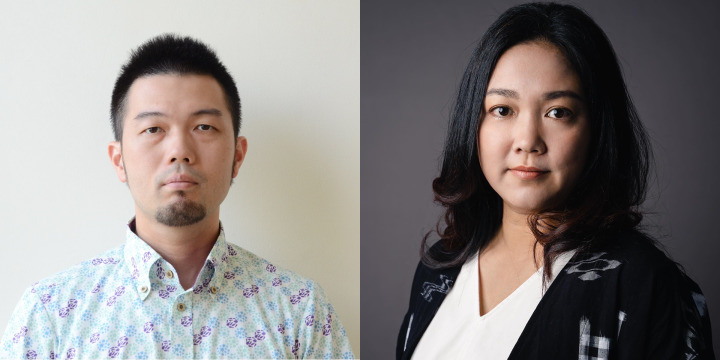
16:00-18:00 Teatime Forum with Onna Village Assembly members*
16時~18時 恩納村議員※ との非公式意見交換会
Guests | ゲスト
秋山 道宏氏 -- 沖縄国際大学准教授 | Michihiro Akiyama -- Associate Professor at Okinawa International U.
親川志奈子氏 -- ACSILs 共同代表, 沖縄大学非常勤講師 | Shinako Oyakawa -- Co-chair of ACSILs, Lecturer at Okinawa U.
秋山 道宏氏 -- 沖縄国際大学准教授 | Michihiro Akiyama -- Associate Professor at Okinawa International U.
親川志奈子氏 -- ACSILs 共同代表, 沖縄大学非常勤講師 | Shinako Oyakawa -- Co-chair of ACSILs, Lecturer at Okinawa U.
*The Onna Village Assembly members will be attending in a purely personal capacity and are not representing Onna Village at the event. Opinions and suggestions received during the event may not necessarily be reflected in future operations of OIST or Onna Village.
Anti-Harassment Policy: The symposium is committed to providing all participants a safe and inclusive environment. We kindly ask all attendees to help maintain a respectful and inclusive environment that centers local Okinawan communities.Harassment of any kind, including but not limited to discrimination based on race, gender, sexuality, nationality, religion, or political affiliation, the use of strong language, and any form of harmful or offensive behavior, will not be tolerated. Remarks or actions that are deemed by our invited guests to be discriminatory or otherwise highly inappropriate—especially those related to Okinawa—may result in being confronted by the organizers and/or being asked to leave. Additional guidelines are in the IF OIST Bylaws (This website) and OIST anti-harrassment policies.


 IF OIST Bylaws