


Okinawa Yarn Project
Developing a new device for producing yarn from natural fiber from a native Okinawan plant.
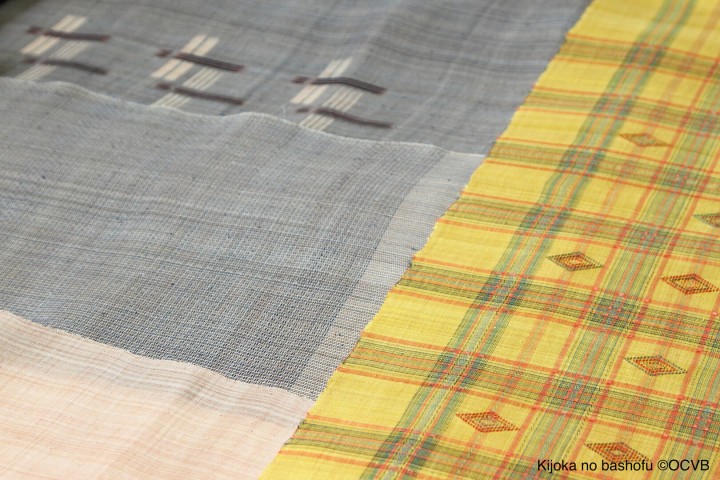
Itobasho
Itobasho is a native plant and used to make basho yarn and fabric called bashofu. Garments made from bashofu have been worn by commoners and royalty since the Ryukyu Dynasty, dating to around 12th century. This practice almost vanished once after the Battle of Okinawa. However, the national treasure Toshiko Taira subsequently worked to recover bashofu as part of an effort to help the people of Okinawa rebuild. Bashofu has been officially recognized at the provincial and national levels as an invaluable cultural tradition since 1972.
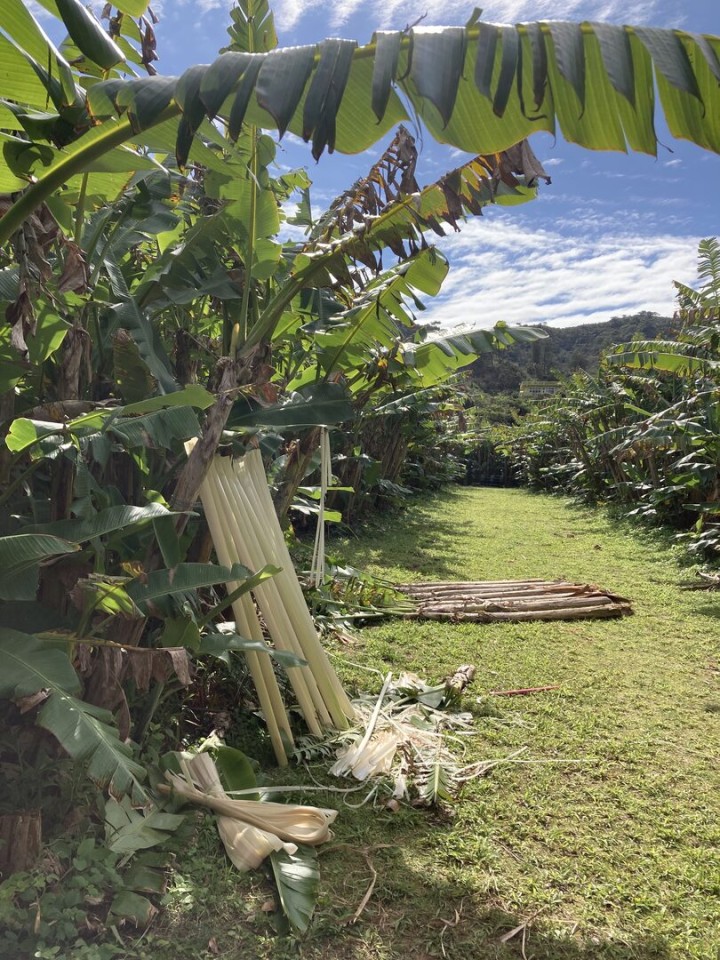
More info about traditional bashofu (textile)
Kogei Japan:
https://kogeijapan.com/locale/en_US/kijokanobashofu/
A Tribute to the Spirit of Okinawa: Bashofu at the Okura Museum of Art:
https://artscape.jp/artscape/eng/focus/2208_01.html
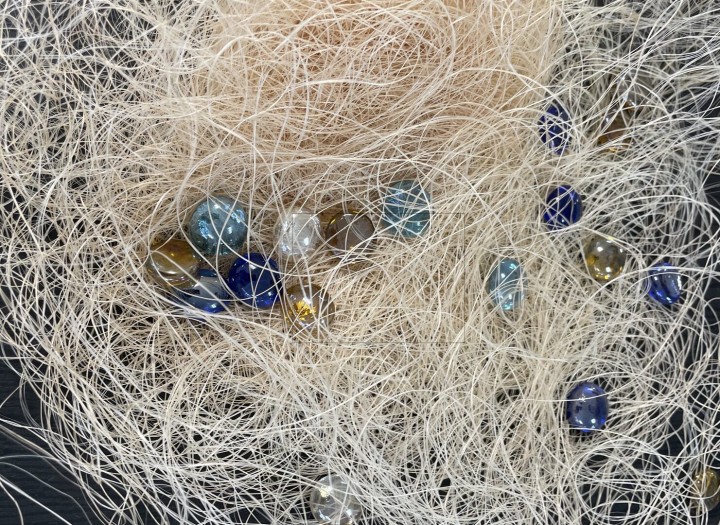
To make basho yarn
Artisans must hand-tie one-meter-long fibre bundles. A less arduous approach to making yarn would help secure the long-term survival of the bashofu tradition in Okinawa. Notably, conventional methods for spinning cotton and other similar fibres cannot be applied to make basho yarn. This stems from the unusual stiffness and fragility of itobasho fibres.

In the Okinawa Yarn Project
We are combining methods from mechanics, machine design, and materials science to develop a device that can be used to efficiently spin basho yarn and thereby revolutionise the production of bashofu yarn. As a starting point for this effort, we first invested in learning as much as possible about the traditional approach to making basho yarn.
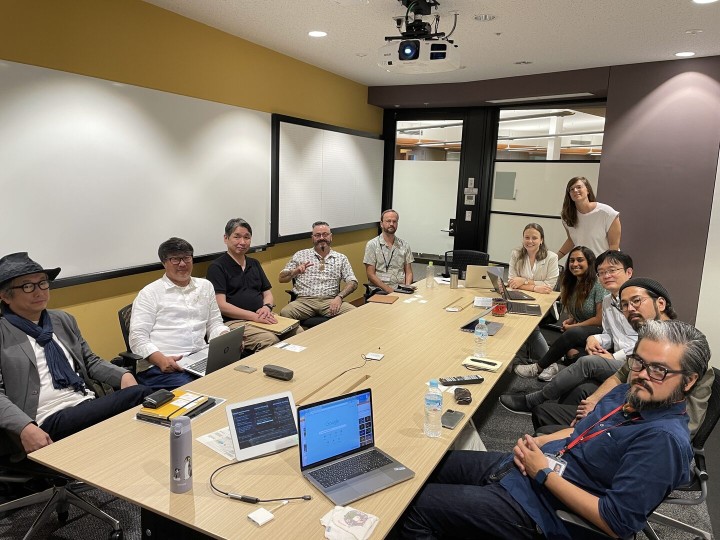
Project members
We are also currently working with a long-established weaving factory in Kyoto and a local fashion designer to assess the optimal thickness of yarn and to explore potential products. Our long-term objective to establish a new business for producing yarns not available in the current market and for providing spinning services to bashofu artisans, thereby contributing to the economic diversification and growth of Okinawa.
Project is supported by
